Tag: freight forwarding

  • Your Guide to the DHL International Contact Number in 2026

    Your Guide to the DHL International Contact Number in 2026

    Trying to find the right DHL international contact number can feel like a maze, especially when you realise that services like Express and Global Forwarding operate on entirely different phone lines. It’s a common frustration. For instance, if you have an urgent parcel query in Singapore, the main number you'll need is 1800 285 8888. However, if your question is about larger freight shipments, you’ll be routed to a completely different, specialised team.

    Knowing which number to call first is the key to getting your issue sorted out without unnecessary delays.

    Quick Reference Guide to DHL International Contact Numbers

    To get you straight to the right person, it helps to first identify which DHL division is handling your shipment. Is it a small, time-sensitive parcel or a large bulk shipment? This distinction is crucial and will save you from being bounced between departments.

    This quick visual guide below breaks it down perfectly, showing you which service path your query falls under.

    A DHL flowchart illustrating query types for urgent parcel and large freight services with icons.

    As the flowchart shows, DHL Express is your go-to for urgent parcels. On the other hand, anything related to large-scale cargo is managed by DHL Global Forwarding. Each has its own dedicated contact channel, and knowing this upfront makes all the difference.

    Essential DHL Singapore Contact Numbers for 2026

    To make things even simpler, here's a quick-glance table with the most important DHL contact numbers in Singapore for 2026. Keep this handy to connect directly with the department you need.

    Service or Department Contact Number Best For
    DHL Express Customer Service 1800 285 8888 General tracking, delivery issues, booking new express shipments.
    DHL Global Forwarding +65 6542 6333 Inquiries about air, ocean, and road freight; large or bulky cargo.
    DHL Supply Chain +65 6880 9888 Questions related to warehousing, logistics solutions, and supply chain management.
    DHL eCommerce Solutions +65 6880 6880 Domestic and international e-commerce parcel services and tracking.

    Having these direct lines helps you bypass generic hotlines and speak to specialists who can actually resolve your specific query, whether it's about a small package or a full container load.

    For a more detailed breakdown of local numbers and what they’re used for, our complete guide on the DHL telephone number in Singapore is an excellent resource. It’s always best to be prepared before you pick up the phone.

    Contacting DHL Express for Time-Sensitive Shipments

    When time is of the essence for your documents or parcels, DHL Express is the division you’ll be dealing with. It’s built for speed. Knowing the right DHL international contact number for this service is crucial for steering clear of delays and keeping your shipments on track. This line is your go-to for everything from scheduling a last-minute pickup to sorting out a surprise customs issue.

    Think of it this way: if you’re a business shipping valuable electronics and they get flagged at customs, a quick call to the Express hotline lets you provide the necessary paperwork right away. Or, if a client suddenly needs to change a delivery address, this is the number to call to arrange an On-Demand Delivery and save the day.

    A DHL employee assists a customer with a package, showing details on a laptop at a service counter.

    Primary Contact and Operating Hours

    The main hotline for DHL Express Singapore is the toll-free number 1800 285 8888. If you happen to be calling from overseas, you'll need to use +65 6285 8888 instead. This is a busy line, handling millions of enquiries every year from both businesses and individuals trying to track their urgent parcels.

    For logistics managers and freight forwarders, this number is a lifeline. It’s where they get pre-shipping quotes, make new bookings, and clarify billing discrepancies after a delivery is completed. With the DHL Group reporting a global revenue of €84.2 billion in 2024, Singapore's hub is a key part of their network, connecting to over 220 countries and territories. You can find out more about DHL’s global reach and contact options on their official site.

    Common Queries for the Express Hotline

    This particular hotline is specifically for urgent, time-sensitive shipments—not for general freight or oversized cargo. It’s all about providing quick support when you need it most.

    Here are the most common reasons people call this number:

    • Tracking Updates: To get a real-time status check on a package that seems to be stuck in transit.
    • Booking New Shipments: To arrange for a courier to collect a package, often for same-day or next-day service.
    • Customs Issues: To address holds, duties, or requests for more information from customs authorities.
    • Delivery Changes: To modify delivery instructions, reschedule a drop-off, or arrange for a different delivery address.
    • Billing Inquiries: To get clarification on charges related to a specific Express shipment.

    A simple but effective tip: always have your tracking number handy before you call. It’s the single best way to get the answers you need quickly.

    Reaching DHL Global Forwarding for Freight Services

    When your business is moving large-scale cargo—think full container loads or complex air freight—the standard DHL Express hotline just won't cut it. For the heavy lifting, you need to connect with DHL Global Forwarding, the specialised division that manages the complex world of international freight. Knowing the right DHL international contact number for this service is crucial for keeping your supply chain running smoothly.

    Unlike the express service, which is built for parcels and documents, Global Forwarding is all about sophisticated logistics solutions. This means they handle everything from coordinating multi-modal transport and navigating tricky freight documentation to providing detailed quotes for major shipments. Getting in touch with the correct team from the start ensures you get expert advice geared towards freight-specific challenges.

    Man in safety vest writing on clipboard at a busy shipping port with containers and truck.

    Connecting with the Freight Experts

    For logistics professionals in Singapore handling sea or air freight, the direct line to the DHL Global Forwarding team is +65 6542 7668. This number, linked to their office at No. 1 Changi South Street 2, is your go-to for cargo shipping queries, keeping you away from the high-volume parcel lines.

    This contact is central to the operations of DHL International S Pte Ltd, which managed a staggering $55.31 million USD in imports between 2022 and 2023, underscoring Singapore's role as a major import hub. You can often find more operational details like this in IATA directories.

    As a real-world example, a Non-Vessel Operating Common Carrier (NVOCC) would find this number invaluable. They could ring this line to discuss competitive routing options for a new Asia-to-Europe trade lane, tapping into DHL's extensive network to create a stronger service offering for their own clients.

    Support for Large-Scale Logistics

    Using this direct contact lets you bypass general customer service and speak directly with specialists who live and breathe the nuances of large-volume shipping. The support you'll receive is comprehensive and squarely aimed at business-to-business needs.

    Here’s a quick look at what they can help with:

    • Freight Quotations: Get detailed pricing for both Full Container Load (FCL) and Less than Container Load (LCL) shipments.
    • Intermodal Transport: Arrange complex logistics that combine ocean, air, and road transport seamlessly.
    • Customs & Documentation: Receive expert guidance on the extensive paperwork required for heavy cargo.

    If you're looking for a more thorough breakdown of this division, you might find our deep dive on DHL Forwarding in Singapore particularly useful.

    When your business handles a serious volume of shipments, like a busy freight forwarder or a fast-scaling e-commerce brand, the standard customer service hotline just won't cut it. You need a direct line to support channels built specifically for complex, high-value accounts. Having the right DHL international contact number for corporate clients is your key to unlocking preferential rates, dedicated account managers, and specialised operational support. It’s what transforms a logistics provider into a genuine strategic partner.

    This isn't just about fixing problems; it's a powerful business development tool. A sharp logistics sales team can use this contact point to pitch tailored solutions directly to decision-makers, forging long-term partnerships that drive down supply chain costs and boost efficiency. Think of it as the gateway to a more strategic, collaborative relationship with DHL.

    Your Gateway for High-Volume Shipments

    For businesses operating out of Singapore, the primary point of contact is the DHL Express Singapore main international number: +65 6880 6060. This line acts as the central hub for freight forwarders and logistics teams coordinating high-volume shipments across the critical Asia-Pacific trade lanes.

    This number connects you to the team at their headquarters in the DHL Air Express Centre at No. 1 Tai Seng Drive, an operation responsible for $118.4 million in annual revenue. For any Singapore-based company, from ocean carriers to NVOCCs, calling this number is a reliable way to accelerate customs clearances and sort out express delivery issues. You can get a better sense of their operational scale by checking out these business insights from ZoomInfo.

    Here's a real-world scenario: A logistics sales manager needs to put together a customised shipping proposal for a major client. By calling this number and referencing their corporate account, they can be put through to a solutions specialist. Together, they can iron out lane-specific rates and integration options, which makes for a much stronger and more convincing pitch.

    Benefits of Corporate Account Support

    Using the proper corporate channel gives you a clear edge over the general hotlines. It’s built for businesses that need more than just a tracking number—they need strategic, hands-on support. If you're looking for more ways to connect with and serve large-scale shippers, our guide on finding enterprise manufacturing and EXIM clients is a great resource.

    Essential Information to Prepare Before Your Call

    Let's be honest, nobody enjoys spending more time on a customer service call than absolutely necessary. To get a quick resolution when using a DHL international contact number, a little preparation goes a long way. Having the right details ready before you dial can make all the difference, turning a potentially frustrating call into a short, productive one.

    The most important piece of information you'll need is your 10-digit shipment tracking number, which DHL calls an Air Waybill or AWB. This is the unique code that identifies your parcel across their entire global network. Without it, the customer service agent simply can't find your shipment's records, and you'll waste valuable time.

    A desk flat lay with an "AWB Tracking Slip" notebook, open notepad, pen, and phone, highlighted by a "Call Prep Checklist" banner.

    Pre-Call Checklist for Contacting DHL

    Before you pick up the phone, take a moment to gather a few key details. Think of it like preparing a case file—the clearer your information, the faster you'll get a solution. Being organised shows the agent you're serious and helps them help you much more effectively. In my experience, a well-prepared caller can often resolve their issue in under five minutes. An unprepared one? They might spend over 15 minutes just trying to locate the shipment.

    Here's a quick checklist outlining exactly what to have on hand.

    Information Item Why It's Important Example
    Tracking Number (AWB) This is the primary key for locating your shipment in DHL’s system. It's non-negotiable for fast service. "My AWB is 1234567890."
    Sender/Receiver Details Full names, company names, and complete addresses help verify the shipment, especially if there's an issue with the AWB. "The parcel was sent by ABC Corp from Singapore to XYZ Inc in London."
    Shipment Date Helps the agent narrow down the search if the tracking number is missing or incorrect. "The shipment was collected on or around 15 October 2026."
    Clear Issue Description Concisely explain your problem, such as a tracking update request, customs delay, or billing dispute. "I'm calling to request proof of delivery for this shipment." or "The tracking hasn't updated in three days, and I'm concerned."

    Having this information ready isn't just about efficiency; it sets a professional and cooperative tone for the call. It immediately shifts the conversation from a frustrating search for basic data to actively solving your problem. You'll get better service, and the agent will appreciate your preparedness.

    Exploring Digital Alternatives to Calling DHL

    While having the right DHL international contact number on hand is essential, sometimes a phone call isn’t the most efficient route. For a busy logistics professional, sitting on hold can feel like a waste of valuable time, especially when digital channels often provide a quicker solution for common tasks.

    Think about it: getting a digital proof of delivery (POD) through the MyDHL+ portal is practically instantaneous. Making that same request over the phone could easily take several minutes. Likewise, if you need to file a damage claim, uploading photos and a detailed description via an online form is far more thorough than trying to explain complex damage verbally to an agent.

    It's also worth understanding that many large companies like DHL use sophisticated systems to manage inquiries. This often involves various forms of customer service automation designed to resolve standard questions quickly and effectively, freeing up agents for more complex issues.

    Key Digital Support Channels

    Before you pick up the phone, it’s always a good idea to check these powerful digital options first. Not only are they often faster, but they also give you a clear digital record of your communication.

    • MyDHL+ Portal: This should be your first stop. It’s a comprehensive dashboard for managing shipments, scheduling pickups, and pulling up important shipping documents.
    • Web Chat: Perfect for getting real-time answers to straightforward questions without having to wait in a phone queue.
    • Online Tracking Tool: If you just need a status update, this is the absolute fastest way. Just plug in your AWB number for an immediate location and status report.
    • Email Contact Forms: When your issue is detailed and not time-sensitive—like a complex billing dispute that requires attaching invoices or statements—an email form is your best bet.

    Frequently Asked Questions About DHL Contact Numbers

    Even with a comprehensive list, you might still have a few lingering questions about getting in touch with DHL. We've compiled the most common queries we hear from businesses and logistics pros to give you clear, direct answers.

    Think of this as a quick reference guide to help you navigate DHL's support network like an expert.

    What Is the Best DHL Number for Tracking?

    For tracking an international shipment over the phone, your best bet is the main DHL Express customer service line for your country. In Singapore, that number is 1800 285 8888.

    To get the fastest answer, always have your 10-digit tracking number (also known as an Air Waybill or AWB) ready before you dial. Honestly, though, the quickest updates often come from DHL's online tracking tool on their website, which gives you real-time information without having to wait on hold.

    Is There a Different Number for Freight?

    Yes, and this is a crucial distinction. Calling the right department from the start will save you a lot of time and hassle. DHL Express is for parcels and documents, while DHL Global Forwarding handles large-scale air and ocean freight.

    • DHL Express: For standard parcels and documents, stick with the general customer service line (in Singapore, 1800 285 8888).
    • DHL Global Forwarding (Freight): If your enquiry is about large freight shipments, you'll need their dedicated line. In Singapore, that's +65 6542 7668.

    Mixing them up will almost certainly result in being transferred, so double-check which service your shipment is using.

    How Can I Find the DHL Number for Another Country?

    Finding the right DHL contact for a specific country is straightforward. The easiest way is to go to the official DHL website. Look for the country selector, which is almost always at the top of the homepage.

    Once you’ve chosen the right country, find their "Contact Us" or "Help Centre" page. This section will list all the local phone numbers, their hours of operation, and any other ways to get in touch.

    What Should I Do If the DHL Number Is Busy?

    If you can't get through because the lines are busy, switch to one of their digital channels. These often provide a much faster resolution. For urgent matters, a well-designed online chat widget for a website offers a more immediate and convenient alternative to waiting on the phone.

    The MyDHL+ portal is another fantastic resource for self-service options, letting you handle tasks like scheduling pickups or managing deliveries on your own schedule.


    At Coreties, we transform complex global trade data into actionable leads for freight forwarders and logistics teams. Our platform helps you find qualified shippers, connect with key decision-makers, and build stronger business development pipelines. Discover your next customer and streamline your outreach at https://coreties.com.

  • Your Guide to DHL Forwarding Singapore in 2026

    Your Guide to DHL Forwarding Singapore in 2026

    DHL Forwarding Singapore is the go-to for businesses managing serious freight volumes. They're the specialists you call when you need to move large-scale commercial goods by air, ocean, or land, acting as a vital link for companies tapping into Southeast Asia's powerhouse economy. They handle the whole nine yards, from customs clearance to warehousing, which is essential for getting through the maze of global trade.

    Understanding DHL's Role in Singapore's Logistics Hub

    Singapore is more than just an island nation; it's a global logistics superpower. Sitting right at the crossroads of the world’s busiest shipping lanes, it serves as a critical 'super-connector' for trade flowing between Asia and everywhere else. In this high-stakes environment, DHL Forwarding Singapore operates like a main artery, keeping the flow of goods moving smoothly and predictably.

    For any local Singaporean business looking to sell overseas, DHL is their ticket to the global stage. For international firms, it's a solid, efficient launchpad for distributing products across the region. This isn't just about moving boxes; it's about being a fundamental infrastructure partner that helps power Singapore’s dominance in trade.

    The Engine of a Growing Market

    The sheer scale of this operation is staggering. Singapore's freight and logistics market was valued at an impressive USD 61.18 billion in 2023 and is on track to hit USD 85.49 billion by 2032. Giants like DHL are a major force behind this incredible growth. If you're curious about the market dynamics, Credence Research offers some great insights into the key players and trends. This boom really highlights why having a reliable logistics partner is non-negotiable.

    At its heart, freight forwarding is about creating certainty in a world full of variables. A forwarder like DHL takes on the complexity—from mind-numbing customs paperwork to tough carrier negotiations—so businesses can just focus on what they do best: making and selling their products.

    What This Means for Your Business

    Partnering with a major forwarder in a world-class logistics hub like Singapore gives you a clear edge. It doesn't matter if you're importing tiny components for a factory or exporting massive finished products; the right partner just makes everything simpler.

    Here’s a quick look at the benefits:

    • Global Reach with Local Know-How: You get access to a massive worldwide network, but with the crucial on-the-ground expertise of people who know Singapore's specific customs rules and port procedures inside and out.
    • All-in-One Supply Chain Solutions: Their services go far beyond just shipping. Think warehousing, distribution, and complete end-to-end management of your entire supply chain.
    • Built-in Resilience: When disruptions happen (and they always do), leaning on a large-scale operation helps absorb the shock and keep your supply chain running strong.

    Grasping Singapore's role as a top-tier logistics hub is the first real step to making smarter shipping choices. It pays to understand what makes this little red dot such a big deal in global logistics.

    A Look at DHL's Core Freight Forwarding Services

    At its heart, freight forwarding is all about picking the right tool for the job. DHL Forwarding Singapore has a full suite of services built for different logistics puzzles, much like a mechanic has a specific wrench for every type of bolt. The trick is figuring out which service fits your situation—whether you need pure speed, rock-bottom cost, or a smart mix of both. Get that right, and you're well on your way to a more reliable supply chain.

    These services aren't just standalone options; they're designed to work together, creating a complete logistics solution. The flowchart below gives you a clear picture of how DHL fits into the flow of goods moving in and out of Singapore's global hub.

    Flowchart illustrating Singapore facilitating the efficient movement of goods, managed by DHL logistics.

    This visual really drives home DHL's role in orchestrating the complex dance of global trade, connecting Singapore's strategic position to markets worldwide. It’s a simple way to see how one provider can manage everything from planes to ships to trucks.

    Air Freight: When Speed is Everything

    When time is money and the clock is ticking, air freight is your answer. It's essentially the express courier service for big, commercial cargo. For industries like electronics and pharmaceuticals, where products have a short shelf life or need to stay cool, the speed of air travel isn't just a nice-to-have—it's essential.

    DHL is a massive player here, handling the kind of high-value or urgent shipments that absolutely have to arrive on time.

    • Best for: High-value electronics, medical supplies, and just-in-time manufacturing parts.
    • The Big Advantage: The fastest transit times you can get. This slashes inventory holding costs and helps you hit those impossible deadlines.

    Think of a local tech firm in Singapore. They might use DHL Forwarding Singapore to fly in critical microchips from Taiwan to keep their production line from stopping. The premium cost of air freight is a small price to pay to avoid a full factory shutdown.

    Ocean Freight: For Cost and Capacity

    For bigger loads that aren't in a huge rush, ocean freight is the undisputed workhorse of global trade. It’s all about getting the most volume moved for the lowest possible cost. If you’re shipping container-loads of apparel, furniture, or raw materials, this is your most economical bet.

    Ocean freight is the marathon runner of logistics—steady, reliable, and incredibly cost-effective over long hauls. DHL gives you options for both Full Container Load (FCL), if you have enough to fill a whole container, and Less than Container Load (LCL) for smaller shipments, giving you real flexibility.

    Deciding between FCL and LCL is a key strategic move. FCL gives you exclusive use of a container, which means better security and often a slightly faster journey. LCL lets you share space and costs, making it a great budget-friendly choice for businesses with smaller volumes.

    Road Freight and Other Essential Services

    Getting your goods from the port to the warehouse, or from the factory to the airport, is where road freight and other crucial services step in. DHL's road network handles that critical first and last mile, connecting all the dots across Singapore and even into Malaysia.

    But their job doesn't end when the truck pulls up. A true logistics partner handles the tricky bits that often cause headaches for shippers.

    • Customs Brokerage: Let's be honest, navigating Singapore's customs rules can be a maze. DHL has in-house experts who manage all the paperwork, duties, and taxes to make sure your goods clear without a hitch.
    • Warehousing and Distribution: They also offer storage, from holding cargo for a few days to managing your entire inventory long-term in their facilities.

    Let’s go back to that tech company. After bringing in components by sea, they could use DHL’s warehousing to store them. Once the final products are built, they might use DHL air freight to ship them out to customers worldwide. It's all handled by one team. This seamless flow is what a modern logistics partnership is all about.

    A Shipper's Guide to DHL's Singapore Network

    Working with a global freight powerhouse like DHL Forwarding Singapore can feel a bit intimidating at first, but their local setup is surprisingly easy to navigate once you know the ropes. The whole game is about understanding their physical presence in Singapore and knowing the exact steps to get your cargo in motion. With a bit of know-how, what seems complex becomes a simple, step-by-step process.

    An employee in a safety vest checks a laptop at a logistics facility with containers and a building.

    Their footprint here is substantial, built around massive facilities designed to handle huge cargo volumes. Take the DHL Supply Chain Advanced Regional Centre (ARC)—it’s a clear sign of their heavy investment in the region. This facility, along with others, acts as the central nervous system for their operations, where goods are sorted, managed, and sent on their way. It’s the engine room of their entire local network.

    First Things First: Getting a Quote

    For any shipper, the journey begins with a freight quote. This is where you lay out your needs so DHL can give you a solid price. Coming prepared makes this part of the process a whole lot faster and smoother.

    Before reaching out, have these details handy:

    • Shipment Specs: The exact weight and dimensions (length, width, height) of your cargo are non-negotiable.
    • The Route: You'll need precise pickup and delivery addresses, right down to the postcodes.
    • What's in the Box?: A clear description of your goods helps them figure out any special handling needs.
    • Incoterms: Be ready to state the agreed-upon International Commercial Terms (like FOB or EXW), which clarify who pays for what at each point in the journey.

    Once you have this information, you can pop it into their online portal or just call their local sales office. Honestly, for anything complicated or oversized, I’d recommend talking directly to a representative.

    What Happens After You Say "Yes"? The Onboarding Process

    After you've accepted a quote, things start moving. The onboarding process isn't about drowning in paperwork; it’s really about setting up clear communication and getting everyone on the same page. You'll typically get a dedicated account manager or a customer service agent to walk you through everything.

    They’ll double-check all the shipment details, lock in a pickup time, and give you the tracking and reference numbers you'll need. This first conversation is your chance to build a good working relationship and make sure every one of your specific needs is understood right from the get-go.

    Think of onboarding as pouring the concrete for your shipment's foundation. Good, clear communication here stops problems from cropping up down the line. It ensures you and the DHL team are completely aligned on the plan, the timeline, and all the documents needed for a hassle-free customs clearance.

    Finally, they’ll get you set up with their digital tools. These online portals are where you'll manage your shipments, pull up documents, and watch your cargo's progress in real-time. Getting comfortable with these platforms early on puts you in the driver's seat, making the entire shipping experience feel much more in your control.

    Unlocking Shipment Visibility with DHL Technology

    In the world of logistics, hoping your shipment arrives on time just doesn't cut it anymore. Real control comes from visibility—knowing exactly where your goods are at any given moment. For businesses working with DHL Forwarding Singapore, this means trading guesswork for data-driven certainty, all thanks to their suite of digital tracking and management tools.

    Laptop displaying a world map with a shipping route, a smartphone, and the text "Real-Time Tracking".

    Think of these platforms as a single, reliable dashboard for your entire supply chain. Instead of chasing down updates through a messy chain of emails and phone calls, you can simply log in and see the real-time journey of your cargo from pickup to final delivery. This instant access to information fundamentally changes how you manage your operations.

    More Than Just a Tracking Number

    DHL's technology goes far beyond just showing a moving dot on a map. These portals are built to be your logistics command centre, with features designed to solve the real-world headaches shippers face every day.

    What you can typically manage:

    • Real-Time Status Updates: Get live pings on key milestones like customs clearance, departure from a port, and arrival at the destination.
    • Digital Document Management: Find and download all your critical paperwork—bills of lading, commercial invoices, customs declarations—in one secure spot. No more digging through filing cabinets.
    • Performance Analytics: Look back at your shipping history. Review data on transit times and costs to spot trends and make smarter decisions for future shipments.

    This kind of insight lets you get ahead of problems. If a delay is brewing, you’ll see it early enough to adjust your plans, give your customers a heads-up, and soften the blow. It turns a potential crisis into a manageable hiccup.

    The real power of advanced shipment visibility is predictability. When you can confidently forecast arrival times and handle documentation online, you slash administrative overhead and build a more resilient, reliable supply chain.

    The Future of Tracking Technology

    As technology gets smarter, so does the pursuit of total transparency in logistics. The integration of sensors and connected devices is already pushing the limits of what's possible. For instance, the ongoing work in Internet of Things applications development is paving the way for a future where you can track not just the location of your sensitive cargo, but also critical conditions like its temperature and humidity in real time.

    For any business shipping through Singapore, getting comfortable with these digital tools is no longer optional. They offer the peace of mind and operational control you need to compete, turning logistics from a simple cost into a genuine strategic advantage.

    Actionable Insights for Competing Forwarders

    Going head-to-head with a global giant like DHL Forwarding Singapore isn’t about matching them dollar for dollar or container for container. It's about being smarter. For small and mid-sized forwarders, the winning play is to use precision and data to carve out your own territory.

    Instead of trying to be everything to everyone, focus on where you can genuinely outperform them. The secret weapon here? It’s customs data. When you dig into trade lane data, you can spot shippers who are consistently moving cargo on routes where you have a clear advantage—be it better rates, faster transit times, or specialised handling that a massive, one-size-fits-all provider can't match.

    Turning Data into Actionable Leads

    Raw data is just a pile of numbers until you find the story within it. Modern sales intelligence platforms are designed to do just that, sifting through complex shipping manifests and customs filings to hand you clear, actionable leads on a silver platter.

    Think about it. A tool like Coreties lets you filter through mountains of records to find companies importing specific goods on the exact lanes you dominate. This isn't just a list of names; it's a deep dive into a prospect’s shipping habits before you even pick up the phone. Armed with this intel, you can craft a pitch that’s impossible to ignore.

    Forget the cold, generic "we can handle your freight" email. Imagine calling a prospect and saying: "I see you’re shipping electronics from Taiwan to Singapore every month. We're specialists on that route and our consolidated service could cut your per-unit cost by 15%." That data-backed opener immediately shows you’ve done your homework and have real value to offer.

    Developing a Competitive Strategy

    Challenging an industry leader requires a solid game plan. To compete effectively with DHL, you need a structured competitor analysis framework. This isn't just about listing their strengths; it's about finding their weaknesses and turning them into your biggest opportunities.

    The Singaporean logistics market is massive and growing, leaving plenty of room for savvy competitors. Valued at USD 74.9 billion in 2025, it's projected to hit a staggering USD 122.4 billion by 2034. While DHL has a huge slice of that pie, you don’t need to capture the whole market—just the right pieces.

    A great way to structure this approach is by using customs data to inform your sales tactics.

    Competitive Strategy Matrix Using Customs Data

    Data Point (Example) Insight Derived Actionable Sales Tactic
    Frequent shipments of oversized machinery by a specific shipper. This company moves high-value, non-standard cargo that likely requires specialised handling and permits. Approach them with a tailored white-glove service proposal, highlighting your expertise in out-of-gauge (OOG) logistics.
    Multiple small LCL shipments from various suppliers in Vietnam. The shipper is dealing with complex consolidation and could be losing money on inefficient LCL freight. Offer a buyer's consolidation service in Ho Chi Minh City to combine their shipments into a single FCL, promising cost savings and simplified logistics.
    Inconsistent shipping volumes, with peaks during certain seasons. Their freight needs are cyclical, and a large forwarder might offer rigid, long-term contracts that don't fit. Position your service as a flexible, agile alternative that can scale up or down with their demand, providing personalised support during their peak season.

    This data-driven approach moves the conversation away from a simple price war and towards demonstrating tangible, superior value. Here’s how you can put this into practice:

    • Find Underserved Niches: Look for specialised cargo—like perishables or hazardous materials—that might just be getting "standard" service from a logistics giant. Offer them the specialised attention they need.
    • Own Key Trade Lanes: Double down on the routes where your carrier relationships, local know-how, or consolidation services give you a real edge. Become the undisputed expert for that specific lane.
    • Highlight Service Gaps: A company the size of DHL can sometimes feel impersonal. Position your business as the responsive, high-touch alternative for shippers who crave direct communication and a dedicated point of contact.

    By using data to guide your strategy, you can stop trying to outmuscle the competition and start outsmarting them. If you’re looking for more inspiration, you can find similar competitive breakdowns for other major players, like this one on https://www.coreties.com/blog/cj-logistics-singapore.

    Got Questions About DHL Forwarding in Singapore? Let's Answer Them.

    Even after getting the big picture, you're bound to have some practical questions when you start working with a logistics giant. We've put together some of the most common queries we hear from shippers about using DHL Forwarding Singapore, with straight answers to help you get moving.

    How Do I Get an Accurate Freight Quote?

    The secret to getting a solid quote from DHL is all in the details. The more information you can give them upfront, the more accurate their pricing will be. You'll need the basics, of course: the full origin and destination addresses, the total weight, and the dimensions (length, width, height) of your shipment.

    Then, be specific about what you're actually shipping. This helps them flag any special handling needs. You’ll also need to decide on the mode of transport – Air Freight, Ocean Freight, or something else.

    One of the most overlooked yet critical details is the Incoterms (like EXW, FOB, or CIF). These global trade terms spell out exactly who is responsible for costs and risks at every point in the journey. A misunderstanding here can lead to surprise bills, so make sure you and your trading partner are on the same page.

    You can always request a quote through their website, but for anything complex, urgent, or particularly valuable, I'd recommend contacting their local Singapore sales team directly. A real conversation often clears up the small but important details and gets you a much better-suited solution.

    DHL Express vs. DHL Global Forwarding: What's the Difference?

    This is a common point of confusion, but the distinction is pretty simple. Think of it this way: DHL Express is for couriering parcels, while DHL Global Forwarding is for moving proper commercial freight.

    • DHL Express is what you’d use to send urgent documents or a small, time-critical package. Their game is speed and door-to-door delivery for small items.
    • DHL Global Forwarding is the heavy-lifting division for businesses. They’re the ones managing pallets, bulk cargo, and entire containers by air, sea, and land. Their service is end-to-end logistics, including things like warehousing and customs brokerage.

    Bottom line: use Express for small, fast parcels and Global Forwarding for your main business freight.

    Does DHL Handle Customs Clearance in Singapore?

    Yes, they absolutely do. Customs brokerage is a core part of the DHL Forwarding Singapore service package. They have a dedicated in-house team that knows Singapore Customs regulations inside and out. They’ll handle all the paperwork, sort out the duties and taxes, and ensure everything is compliant.

    If you need to reach their customs team specifically, our guide on the DHL telephone number in Singapore can help you find the right contact.

    Having this handled for you is a huge plus. It sidesteps the common delays that can trap goods at the border and takes a massive administrative headache off your plate, letting your cargo clear customs without a hitch.

    How Can My Business Compete with a Giant Like DHL?

    Trying to go head-to-head with a behemoth like DHL by matching their scale is a losing battle. The smart play is to be more focused and agile. Don't try to be everything to everyone; instead, carve out a niche where you can become the go-to expert. Maybe that's handling perishables, oversized project cargo, or tricky dangerous goods.

    Next, double down on providing amazing, personal customer service. Shippers can sometimes feel like just another tracking number when dealing with massive corporations. A dedicated point of contact who picks up the phone can make all the difference.

    Most importantly, get smart with data. You can analyse customs information to find shippers who are active on lanes where you have a clear advantage. Armed with that knowledge, you can approach them with a data-backed proposal showing exactly why you're a better fit. That’s how you turn your smaller size into a strategic weapon built on expertise and agility.


    Accelerate your sales pipeline with laser-focused leads. Coreties transforms global customs data into actionable prospect lists, helping your freight forwarding team find and connect with qualified shippers in minutes, not days. Discover your next big opportunity at https://coreties.com.

  • Your Guide to Winning Business in the SG Logistics Hub

    Your Guide to Winning Business in the SG Logistics Hub

    Singapore's standing as the world's top logistics hub isn't by chance. It’s the result of a powerful combination: a prime strategic geography, truly world-class infrastructure, and a remarkably efficient, business-first regulatory framework. This mix has turned the nation into the central nervous system for global trade, connecting East and West like nowhere else on Earth.

    Why Singapore Is a Global Logistics Powerhouse

    Aerial view of a bustling container port with ships, cranes, a cityscape, and an airplane.

    Singapore’s climb to the top of the logistics world was a deliberate, decades-long project. It was a masterclass in turning a small island into the indispensable linchpin of global supply chains. The best way to think of it is as the world's most sophisticated interchange for goods, where location, technology, and smart policy meet to create near-perfect efficiency.

    Of course, a bit of geographical luck helps. Sitting right at the crossroads of major East-West shipping routes, the SG logistics hub provides a straight shot to key markets in Asia, Europe, and the Americas. It's the natural stopover, but what truly sets it apart is how it has relentlessly built on that advantage.

    The Pillars of Dominance

    Location gets you in the game, but it doesn't guarantee a win. Singapore's dominance comes from an obsessive focus on three core strengths:

    • Unrivalled Infrastructure: The Port of Singapore and Changi Airport aren't just places where things arrive and depart. They are hyper-efficient, tech-driven ecosystems built for one thing: speed. Every process is engineered to slash dwell times and minimise costly delays.
    • Forward-Thinking Governance: A stable, pro-business government has cultivated a regulatory environment that champions trade. This means simplified customs procedures, attractive financial incentives, and a deep commitment to digital platforms that cut through red tape for logistics players.
    • A Culture of Innovation: From fully automated port terminals to blockchain-based trade documentation, Singapore is always investing in what's next. This keeps it ahead of the curve and gives businesses operating there a genuine competitive edge.

    Singapore has built an environment where efficiency is the baseline. It's not just about getting a container off a ship and onto a truck; it’s about conducting a complex ballet of data, machinery, and policy to make sure goods flow almost without friction.

    More Than Just a Transshipment Point

    It's easy to look at the sheer volume of containers and think of Singapore as just a massive transshipment hub. But that's only scratching the surface. It has deliberately evolved into a comprehensive value-adding centre where goods are not just moved, but also stored, processed, and strategically redistributed. This allows companies to design far more agile and responsive supply chains.

    Think about it this way: a freight forwarder can use Singapore's advanced facilities to consolidate smaller shipments from across Southeast Asia into a single, cost-effective consignment bound for Europe. Or, a company can store high-value electronics in one of its Free Trade Zones, only paying duties and taxes when the products are shipped to their final customer.

    This strategic depth makes Singapore more than just a dot on the map—it's a powerful tool for optimising your entire supply chain. For any forwarder, carrier, or NVOCC looking to thrive in Asia, understanding this value is the first, most crucial step.

    A Look Inside Singapore’s World-Class Logistics Infrastructure

    A truck carrying shipping containers at a bustling port with multiple gantry cranes and an airplane in the sky.

    Singapore's reputation as a powerhouse sg logistics hub isn't an accident. It's the result of decades of deliberate planning, building a world-class physical and digital architecture from the ground up. This isn’t just about having a massive port and a busy airport; it's about engineering a deeply connected system where sea, air, and land operations work in perfect harmony, all guided by real-time data.

    This fusion of top-tier hardware and intelligent software is what gives logistics professionals a serious competitive edge here. At the heart of it all is the Port of Singapore, but the real story is what's coming next: the new Tuas Port, a mega-project set to completely redefine what a port can be.

    The Maritime Powerhouse: Tuas Port

    Tuas Port is more than just a simple expansion—it’s a ground-up reimagining of how a port should run. With automation at its very core, it’s a bold statement of Singapore’s commitment to staying ahead of the curve. The facility runs on a fleet of automated guided vehicles (AGVs) and massive rail-mounted gantry cranes that operate around the clock with incredible precision.

    For freight forwarders on the ground, this high-tech approach delivers real, tangible benefits:

    • Faster Vessel Turnaround: Automation slashes the time it takes to load and unload containers, which means less costly time spent sitting at the berth.
    • Rock-Solid Reliability: With fewer manual touchpoints, the risk of human error plummets. This translates to more predictable and dependable cargo handling you can count on.
    • Massive Capacity: Built in phases, Tuas Port will eventually handle 65 million TEUs annually. This ensures it can absorb future growth in global trade without creating the bottlenecks that plague other major ports.

    This forward-thinking investment is a major reason for the market's explosive growth. Singapore's freight and logistics sector, valued at USD 26.11 billion in 2026, is on track to hit USD 35.37 billion by 2031. This isn't just a coincidence; it's a direct result of projects like Tuas Port, which is already cutting vessel berth times by an impressive 20% thanks to its automated systems. You can dig into the complete analysis of Singapore's market growth and infrastructure investments to see the full picture.

    The Air Cargo Command Centre: Changi Airport

    Matching the sea freight muscle is Changi Airport, the undisputed air cargo command centre for Asia. Its cargo complex is a marvel of speed and precision, designed to handle millions of tonnes of goods every year. But Changi's real strength isn't just about volume; it's about its specialised handling capabilities.

    The airport boasts dedicated cold-chain facilities like the Coolport, which provides precise temperature-controlled environments. This is absolutely critical for shipping high-value goods like pharmaceuticals and fresh produce, ensuring their integrity from the moment they leave the plane to the second they're loaded onto a truck.

    A logistics hub’s true strength is measured by its weakest link. In Singapore, the seamless connection between its port, airport, and road networks ensures there are no weak links—only a continuous, high-speed flow of goods.

    The Magic of Seamless Intermodal Connectivity

    The real genius of Singapore’s infrastructure is how effortlessly cargo moves between sea, air, and land. Think of it like a championship relay team executing a flawless baton pass—that’s how smoothly goods flow from ship to truck to plane. This seamless intermodal connectivity is the true backbone of the sg logistics hub. For a hub like this, everything depends on solid infrastructure, including highly efficient modern warehouse loading docks.

    To give this a quick overview, here's how the key pieces fit together:

    Singapore's Logistics Infrastructure at a Glance

    Infrastructure Component Key Feature Significance for Forwarders
    Tuas Port Fully automated with AGVs and smart cranes Faster turnaround times, increased reliability, and a massive 65 million TEU capacity.
    Changi Air Hub Specialised facilities like the Coolport Secure handling for high-value, temperature-sensitive cargo like pharma and perishables.
    Intermodal Links Tightly integrated road and rail networks Effortless, quick transfers between sea and air ports, minimising transit time.
    Digital Layer Data-sharing platforms like SGTraDex Real-time visibility across the supply chain, enabling proactive problem-solving.

    As the table shows, it's the sum of these parts that makes the system so powerful.

    This physical efficiency is supercharged by a powerful digital layer. Platforms like SGTraDex create a secure data-sharing ecosystem where everyone involved—from shippers and carriers to customs officials—can access a single, trusted source of information. This real-time visibility breaks down information silos, allowing for proactive decisions that can stop delays before they even start. For any business operating here, this digital backbone turns logistics from a series of clunky steps into a fluid, intelligent process.

    Navigating Singapore's Customs and Regulations

    Man using a tablet in a warehouse, surrounded by stacked boxes, simplifying customs.

    World-class infrastructure is just one part of Singapore’s logistics success story. The other, equally crucial piece is a regulatory environment deliberately built for speed and simplicity. In many countries, customs procedures are a maze of red tape—a guaranteed source of friction and delays. But in Singapore, the system itself is a powerful competitive advantage.

    The government has intentionally crafted a process that feels less like a gatekeeper and more like a partner in trade. This pro-business mindset transforms complex procedures into a predictable, fast-moving pipeline. For freight forwarders and 3PLs, this allows them to offer clients something incredibly valuable: certainty.

    This incredible efficiency didn't just happen overnight; it’s the result of decades of foresight. Back in 1989, Singapore launched the world’s first National Single Window, a ground-breaking initiative to digitise and unify trade permit approvals from over 35 government agencies. A process that once took days now takes mere minutes with a single electronic submission. The economic impact speaks for itself—the logistics sector contributed over SGD 31 billion to Singapore's GDP in 2018, proving its immense value.

    The Single Window Advantage

    At the heart of this efficiency is the single window for trade clearance. Instead of juggling dozens of forms for separate agencies—customs, port authorities, food safety boards—traders submit just one consolidated digital application.

    Think of it as a VIP express lane for your cargo. You present your credentials once, and all the necessary checks and approvals are seamlessly coordinated in the background. This single point of contact slashes administrative work and dramatically reduces the risk of human error.

    Strategic Use of Free Trade Zones

    Beyond fast clearances, Singapore provides powerful tools for building more agile supply chains, especially through its Free Trade Zones (FTZs). These are designated areas within the country's ports and airports that are, for legal purposes, considered outside of customs territory.

    By mastering Singapore's regulatory tools, you're not just moving boxes more efficiently. You're designing smarter, more resilient supply chains that give your clients a measurable advantage in a competitive global market.

    When goods enter an FTZ, they can be stored, consolidated, or even undergo light processing without incurring Goods and Services Tax (GST) or customs duties. This creates a few game-changing advantages:

    • Duty Deferral: You only pay duties and taxes when goods leave the FTZ and enter the Singaporean domestic market. This is a huge boost to an importer's cash flow.
    • Simplified Re-Exporting: Cargo meant for transshipment can be brought into an FTZ and sent to another country without any local tax burden, cementing Singapore’s role as an ideal redistribution hub.
    • Enhanced Flexibility: Companies can use FTZs to hold inventory closer to end markets across Southeast Asia, letting them react to shifts in demand with incredible speed.

    Of course, ensuring smooth customs processing relies on properly classifying your goods with the correct Harmonised System (HS) codes. For anyone looking to get this right, our in-depth guide on using HS codes in Singapore is an essential read. This knowledge is fundamental to unlocking the full benefits of Singapore's trade-friendly environment and avoiding costly hold-ups. By mastering these rules, forwarders can deliver smarter, more cost-effective solutions for their clients.

    Mapping Singapore’s Key Trade Lanes and Commodity Flows

    Knowing about Singapore's world-class ports and smooth customs processes is a great start, but it's only half the story. For freight forwarders and carriers, the real money is made by understanding which commercial currents flow the strongest through the sg logistics hub.

    Think of Singapore as the central pump in a massive, global circulatory system. Goods don't just wash through here randomly; they follow well-defined arteries of trade. These routes are carved out by manufacturing trends, consumer demand, and what different regions are good at making. If you can trace these arteries, you can place your services right where the commercial pulse is strongest.

    This kind of insight shifts your sales approach from reactive to proactive. You stop just waiting for the phone to ring and start strategically targeting shippers who operate on the busiest, most valuable pathways.

    The Intra-Asia Superhighway

    While the big routes to the US and Europe get a lot of attention, the most frenetic and high-volume trade lanes are often right here within Asia. Singapore is the main consolidation and distribution point for the booming economies across Southeast Asia, which means a constant, high-speed churn of goods.

    • From Regional Factories: Think high-value electronics, semiconductors, and car parts pouring in from manufacturing powerhouses like Malaysia, Vietnam, and Thailand. These goods are funnelled through Singapore for final checks, bundled together, and then shipped off to the rest of the world.
    • To Growing Consumer Markets: At the same time, as the middle class expands in places like Indonesia and the Philippines, so does their appetite for consumer goods, medicines, and processed foods. Singapore acts as the region's central warehouse, feeding these markets with incredible speed and reliability.

    This intra-Asia network is just buzzing with opportunity. A smart forwarder, for instance, could build a niche service handling time-sensitive microchips from Penang, Malaysia, getting them through Singapore, and on to assembly plants in Vietnam. That's a specific, high-value service that clients will pay a premium for.

    The Critical Bridge Between East and West

    Singapore’s location makes it the essential link between Asian factories and the massive consumer markets in Europe and North America. These trade lanes are like well-worn highways, carrying a predictable mix of goods back and forth.

    A Look at the Main East-West Flows:

    Trade Lane Main Exports from Asia (via Singapore) Main Imports to Asia (via Singapore)
    Asia to Europe Consumer electronics, textiles, machinery, pharmaceutical ingredients. Luxury goods, European car parts, specialised industrial machines, high-end chemicals.
    Asia to North America Finished electronics, furniture, clothing, medical devices. Agricultural products (like grain), aerospace components, raw materials like scrap metal.

    This constant two-way traffic creates a really balanced and stable trade environment. A carrier with good capacity on the Asia-Europe lane isn't just shipping TVs to Rotterdam; they're bringing back the precision German machinery needed to build those TVs in Asian factories. Seeing both sides of this equation is the key to keeping containers full and profits healthy.

    The Growing Demand for Specialised Cargo

    It's not all about standard boxes. Singapore truly shines as a hub for specialised cargo that demands expert handling. This is where forwarders can really set themselves apart and grab higher-margin business.

    In the Singapore logistics world, the most profitable niches are always found where complexity and value meet. Moving from handling standard containers to specialising in temperature-sensitive pharmaceuticals or oversized industrial parts turns you from a simple service provider into a vital strategic partner.

    One of the biggest growth areas right now is in pharmaceuticals and life sciences. Changi Airport’s advanced cold-chain facilities and Singapore's strict quality control have made it the go-to hub for distributing high-value, temperature-sensitive biologics and medical devices all across the Asia-Pacific.

    Similarly, the city-state is a crucial node for the oil and gas industry. It manages the flow of heavy machinery, rig components, and specialised equipment for major energy projects throughout Southeast Asia and Australia. For any logistics provider, building up real expertise in these tricky verticals is a clear path to growth in a very competitive market. By plugging your business into these powerful trade currents, you're tapping directly into the economic engine of the sg logistics hub.

    How to Find and Engage Your Ideal Shippers

    Knowing all about Singapore’s world-class ports and smooth regulations is one thing, but turning that knowledge into actual business means connecting with the right shippers. In a market as competitive as the sg logistics hub, old-school tactics like cold calling and pure guesswork just don't cut it anymore. You need a smarter, data-driven way to find your prospects.

    The real key is to target companies based on what they actually ship, not just who you think might need your services. This approach takes raw customs data and turns it into a goldmine of high-potential clients. Instead of just hoping for the best, you can pinpoint shippers based on the specific trade lanes they use, the exact commodities they move, and even their shipment frequency. Your sales team can then focus their energy on prospects that are already a perfect match.

    From Raw Data to Qualified Leads

    So, how does it work? It all starts with customs data. Every single shipment that passes through a port or airport leaves a digital footprint, creating a massive trail of valuable information. When you gather and analyse this data, you start to see clear patterns of commercial activity—it’s like having a live map of market opportunities right at your fingertips.

    A good data platform can take all this complex information and make it simple and searchable. Imagine being able to pull up a list of every company that shipped electronics from Singapore to the United States in the last three months. Just like that, you have a ready-made list of active, relevant shippers to contact.

    This process highlights the direct flow of goods, like electronics, from Asian manufacturing centres through Singapore and on to major markets in the Americas.

    Diagram showing Singapore's global trade flow connecting Asia (shipping) to Americas (technology).

    The image above really shows Singapore's crucial role as the interchange connecting regional production with global consumer demand.

    Crafting Outreach That Actually Gets a Response

    Okay, you’ve got your list of qualified leads. Now what? The next hurdle is starting a real conversation. Let's be honest, generic sales emails are deleted in seconds. But a message that shows you genuinely understand the prospect’s business? That’s much harder to ignore.

    This is where data-driven outreach shines. Instead of a vague "Hi, we're a freight forwarder," you can lead with something specific and relevant. Mention a recent shipment they made or point out a potential cost-saving on one of their regular trade lanes. You immediately establish credibility and show you’ve done your homework. If you want to refine your search even further, check out this list of top importers in Singapore.

    The most effective outreach is never about you; it's about them. By leading with an insight that speaks directly to a shipper's recent activity or a potential challenge they face, you shift the conversation from a sales pitch to a strategic discussion.

    A Proven Template for Engagement

    Here’s a straightforward, effective way to structure your data-driven emails. This framework is designed to be personalised quickly, so you can maintain quality while reaching out to more prospects.

    1. The Specific Opener:
    Start by referencing their actual shipping activity.

    • "Hi [Prospect Name], I saw your company recently shipped a container of medical devices from Singapore to Hamburg."

    2. The Value Proposition:
    Immediately connect their activity to how you can help.

    • "We specialise in this lane and have helped similar life sciences companies reduce transit times by an average of 15%."

    3. The Call to Action:
    Suggest a clear, easy-to-accept next step.

    • "Would you be open to a brief 10-minute call next week to discuss how we could optimise this route for you?"

    This targeted approach respects the prospect's time and demonstrates immediate value. It turns your outreach from a cold interruption into a welcome, relevant business proposal, dramatically increasing your chances of winning new business in the bustling sg logistics hub.

    Building Your Singapore Growth Strategy

    Knowing about Singapore's strengths as a logistics hub is one thing. Actually using them to your advantage is another game entirely. To win in a market this competitive, you need a solid plan—one that turns Singapore's world-class ports, slick regulations, and prime location into a real competitive edge for your business.

    We've walked through how Singapore is far more than just a stopover for cargo. It’s a finely-tuned ecosystem built for speed. Think about the incredible automation at Tuas Port or the lightning-fast customs clearance through its single-window system. Every piece of the puzzle is designed to cut down on delays and get goods moving.

    It All Starts with Better Data

    Trying to compete here with outdated methods is like showing up to a Grand Prix in a horse-drawn carriage. In a market this advanced, you can't afford to guess. Using modern data tools for prospecting and analysis isn't just a "nice-to-have"—it's a must.

    The freight forwarders and carriers who are really winning are the ones who spot opportunities before anyone else. This means getting out of a reactive mindset and becoming proactive. By digging into real-time customs data, for instance, you can find shippers whose needs perfectly align with what you do best, right now.

    In the Singapore logistics market, information is your most valuable asset. If you know who is shipping what, where they're sending it, and how often, you can stop making cold calls and start having strategic conversations. You're no longer just selling a service; you're solving a specific problem.

    This approach doesn't just make your sales team more efficient; it instantly makes your outreach more relevant. You can read more about building a modern import-export firm that puts these data-driven strategies at its core.

    Your Blueprint for Success

    Crafting a winning strategy doesn't need to be overly complex. It really comes down to a simple but powerful three-step process.

    1. Identify High-Value Lanes: Zero in on the trade routes and specific commodities where your services truly shine. Don't try to be everything to everyone.
    2. Pinpoint Ideal Shippers: Use a data platform to build a list of companies that are already active on those lanes. This transforms a sea of data into a targeted list of warm leads.
    3. Engage with Insight: Reach out with a message that shows you've done your homework. Reference their actual shipping activity to start a real conversation and build immediate credibility.

    This isn't just a recap; it's your starting line. By adopting this forward-thinking, data-first approach, you can move from just participating in the sg logistics hub to actively dominating your niche. The information is out there. It’s time to use it to fuel your growth.

    Your Questions Answered

    Here, we tackle some of the most common questions logistics pros ask when sizing up Singapore as a strategic hub.

    What's the Secret Sauce Behind the Port of Singapore's Efficiency?

    It really comes down to a forward-thinking, aggressive adoption of technology. Long before it was fashionable, Singapore was investing in automation. Today, its terminals are orchestrated by AI-driven systems and a fleet of automated guided vehicles (AGVs) that shuffle containers with mind-boggling precision.

    This level of automation is what slashes vessel turnaround times and helps the port manage staggering volumes without the gridlock you see in other major hubs. Add to that its perfect placement on the world's busiest shipping lanes, and you have a port that's not just a stopover, but a time-saving, efficiency-boosting machine.

    How Does Changi Airport Handle Delicate, High-Value Freight?

    Changi Airport was designed from the ground up to be more than just a cargo mover; it’s a specialist in handling sensitive and high-value goods. Take the Coolport at the Changi Airfreight Centre, for instance. It’s a state-of-the-art facility that guarantees an unbroken cold chain for things like pharmaceuticals and fresh produce.

    These dedicated, temperature-controlled zones, working in concert with fast-track customs and tight security, give shippers peace of mind. It’s why the life sciences and electronics industries trust Changi to protect their most delicate products from touchdown to final handover.

    The real magic of the sg logistics hub isn't just a world-class port or a top-tier airport. It's how seamlessly the two are integrated with a pro-business regulatory environment, creating a truly frictionless flow for goods.

    Is Singapore a Solid Choice for a Regional Distribution Centre?

    It's not just a solid choice; it's arguably the best in the region. Singapore’s Free Trade Zones (FTZs) are a game-changer. They let you bring in goods, store them, consolidate shipments, and even do light assembly work, all without paying local duties or Goods and Services Tax (GST).

    This means you can use Singapore as a central stockpile for Southeast Asia. Hold your inventory here, and when an order comes in from Indonesia, Malaysia, or Vietnam, you can dispatch it immediately. This "hub-and-spoke" approach makes your supply chain incredibly nimble and frees up cash by letting you pay taxes only when the goods enter their final market. It turns Singapore from a simple transit point into a strategic command centre for your entire regional operation.


    Stop guessing and start winning in the Singapore logistics market with Coreties. Our platform transforms complex trade data into a clear roadmap, pointing you directly to the ideal shippers who need your services. Find and connect with qualified prospects faster than ever before. Visit https://coreties.com to see how you can build a stronger pipeline today.

  • A Complete Guide to Import From Singapore for Your Business

    A Complete Guide to Import From Singapore for Your Business

    Thinking about sourcing products from Singapore? You're tapping into one of the world's most efficient and strategic trade hubs. Getting goods from Singapore to your doorstep can seem complex, but this guide will break it down for you, step by step. We'll cover everything from finding the right supplier to clearing customs, making sure you feel confident in every decision you make.

    Why Import From Singapore? It's a Global Trade Powerhouse

    Singapore isn't just another country on the map; it's a central nervous system for global supply chains. Its rock-solid reputation is built on political stability, a remarkably pro-business environment, and infrastructure that's second to none. This combination makes it a magnet for businesses looking to source high-quality goods.

    Imagine Singapore as the ultimate sorting centre. Goods arrive from all over the world, are often processed or bundled together, and then shipped out again with incredible speed. The numbers tell the story: in 2021, Singapore's total imports topped $406 billion. Even more telling, in 2022, imports made up a staggering 150.31% of its GDP, highlighting its massive role as a re-export giant. If you want to dive deeper, you can read more about Singapore's trade dynamics and discover why electrical machinery is its top import category.

    This unique position gives you some serious advantages when you choose to import from Singapore.

    Core Benefits of Sourcing from Singapore

    • A Gateway to a Diverse Market: Singapore opens the door to the entire Southeast Asian market. This gives you access to an incredible range of products, from cutting-edge electronics to finely engineered components.
    • Logistical Excellence: The Port of Singapore is one of the busiest on the planet, and Changi Airport is a world-class air cargo hub. What does this mean for you? Faster, more reliable, and often cheaper shipping.
    • A Smooth Trade Environment: Singapore is a huge advocate for free trade. It has dozens of agreements in place that make importing and exporting much simpler. Plus, its customs processes are famously efficient and transparent.

    Your Initial Roadmap

    A successful import journey starts with a clear plan. Before you get lost in the details of customs forms and freight quotes, it helps to understand the big picture of how your goods will get from point A to point B.

    Before we dive deep, let's look at the big picture. Here’s a quick checklist to give you a bird's-eye view of the entire process.

    Importing From Singapore At a Glance Checklist

    Stage Key Action Primary Consideration
    1. Preparation Find a reliable supplier and verify their credentials. Product quality, supplier reputation, and production capacity.
    2. Documentation Gather all necessary paperwork (invoice, packing list, B/L). Accuracy and completeness to avoid customs delays.
    3. Shipping Choose between sea freight and air freight. Balancing cost, speed, and the nature of your goods.
    4. Customs Declare your goods and pay duties/taxes. Correct HS code classification and valuation.
    5. Final Delivery Arrange for inland transport from the port/airport. Last-mile logistics and warehousing needs.

    This checklist covers the fundamental stages you'll navigate. Think of it as your high-level guide to keeping things on track.

    The entire process to import from Singapore boils down to three core phases: Supplier Sourcing & Verification, Logistics & Shipping, and Customs & Compliance. Getting each of these right is the secret to a smooth, profitable operation.

    This guide is built to walk you through each of these crucial phases. We'll start with the specific documents and customs rules you'll face, then give you the tools to estimate your costs, compare shipping options, and pick the right partners. By the end, you'll have a solid foundation for your importing strategy.

    Navigating Singaporean Customs and Documentation

    Think of your shipping documents as your cargo's passport. Just like a person needs the right papers to cross a border, your goods need a specific set of documents to move smoothly out of Singapore and into your destination country. Get this paperwork wrong, and you're looking at frustrating delays, unexpected storage fees, and a whole lot of customs-related headaches.

    The whole game is about accuracy and clarity. Every single document has a job to do—it tells customs officials what’s in the shipment, its value, where it came from, and where it’s going. Nailing these details from the get-go is the secret to a stress-free import.

    This process can be broken down into three main stages, from your supplier, through the freight journey, to the final delivery.

    Diagram illustrating the three-step import process from Singapore: Supplier, Freight, and Delivery.

    As the diagram shows, it’s a connected chain. Any hiccup in one stage creates a bottleneck for the next.

    Your Core Documentation Checklist

    While the paperwork can change a bit depending on what you’re shipping and where it’s headed, there’s a core set of documents you’ll always need when exporting from Singapore. These are the absolute must-haves.

    Here are the primary documents you can't do without:

    • Commercial Invoice: This is essentially the sales receipt for your goods. It breaks down the buyer, seller, product descriptions, quantities, value, and sales terms. Customs authorities use this document to figure out how much duty and tax you owe.
    • Packing List: Think of this as a detailed inventory. It lists the contents of every carton or pallet, including specific weights and dimensions. It helps customs officers verify what's inside without having to unpack the entire shipment.
    • Bill of Lading (B/L) or Air Waybill (AWB): This is your contract with the shipping carrier. The B/L is used for sea freight, and the AWB is for air freight. It serves as both a receipt for the goods and the document of title—meaning whoever holds it has the right to claim the cargo.

    To put it simply: the Commercial Invoice is the price tag, the Packing List is the "what's in the box" label, and the Bill of Lading is the ticket for the journey.

    The Role of Customs Permits and TradeNet

    Singapore is known for its incredible efficiency, and a big reason why is its single-window electronic system, TradeNet®. This brilliant platform lets businesses (or their agents) submit all the necessary declarations for a shipment in one single, streamlined process.

    A Customs permit is mandatory for any goods leaving Singapore. This permit is usually applied for through TradeNet® by your freight forwarder, a declaring agent, or even your supplier in Singapore. It officially declares the goods to Singapore Customs, making sure everything is properly documented before it leaves the country.

    For you, the importer, this means you need to be certain that your Singapore-based partner is registered on TradeNet® and files for that export permit correctly. If they don't get that permit, your shipment isn't going anywhere.

    Special Documents You Might Need

    Sometimes, the standard paperwork isn't enough. Certain goods need extra certificates to prove where they were made or that they meet specific regulations. The most common of these is the Certificate of Origin.

    What is a Certificate of Origin (CO)?

    A CO is an official document that confirms the country where a product was actually manufactured. This little piece of paper is incredibly important for two key reasons:

    1. Preferential Tariffs: Singapore has Free Trade Agreements (FTAs) with many countries. A valid CO can help your goods qualify for lower or even zero import duties under these agreements, saving you a significant amount of money.
    2. Import Restrictions: Some countries might block or limit imports from certain nations. The CO proves your goods are from Singapore, allowing them to bypass these kinds of restrictions.

    On top of that, specific products often require their own licences or certificates. For instance, if you’re importing food, pharmaceuticals, or certain electronics from Singapore, you might need health certificates or compliance documents from the relevant Singaporean authorities. It's crucial to check the specific requirements for your product category in your own country well ahead of time. The very first step in this is correctly classifying your goods. You can learn more in our detailed guide on Singapore customs HS codes.

    Working Out Your Duties, Taxes, and Total Landed Cost

    The price your supplier quotes you is just the starting line, not the finish. If you want to know whether importing from Singapore will actually make you money, you need to figure out your total landed cost. This is the real, all-in price of getting your products from the factory in Singapore right to your warehouse door. It includes not just the product cost, but shipping, insurance, and the big ones: duties and taxes.

    So many first-time importers get a nasty shock when the final bill is way higher than they expected. This almost always happens because they forgot to account for the fees their own country’s customs will charge. Yes, Singapore is famous for being a free port with almost no export tariffs, but that's a perk for the person sending the goods. As the one receiving them, you’re on the hook for all the import taxes and duties in your country.

    Getting a handle on these costs isn't just a good idea—it's absolutely critical for pricing your products correctly, managing your cash flow, and making sure your business is built to last.

    Breaking Down the Main Costs

    To calculate your true landed cost, you need to add up all the individual pieces. The formula itself isn't rocket science, but you do need to gather a few key bits of information first. Think of it like building a piece of furniture—you have to get all the parts out of the box before you can put it together.

    Here are the main components you’ll need to factor in:

    • Customs Value: This is the figure customs uses as the base for calculating duties. It’s typically the price you paid for the goods (from your commercial invoice) plus the cost of shipping and insurance. This is often called the CIF value.
    • Harmonized System (HS) Code: Every single product imaginable has a unique HS code, which is part of a global system for classifying goods. This code is what tells customs exactly which duty rate to apply to your shipment.
    • Import Duty: This is a tax charged as a percentage of your customs value. The rate is determined entirely by that HS code and can swing wildly from 0% on some items to much, much higher on others.
    • Goods and Services Tax (GST) or Value Added Tax (VAT): On top of the duty, most countries charge a consumption tax. This tax is applied to the total of the customs value plus the import duty you just paid. The rate is set by your local tax laws.

    Getting the HS code right is the most important part of this whole equation. If you use the wrong one, you’ll pay the wrong amount of duty. That could mean you overpay and hurt your profits, or worse, you underpay and face hefty fines and delays from customs.

    How Free Trade Agreements Can Slash Your Costs

    One of the best ways to bring your costs down is by taking advantage of a Free Trade Agreement (FTA). Singapore has a massive network of FTAs with countries all over the globe. If your country has one with Singapore, you could see your import duties reduced significantly—sometimes even to zero.

    But there's a catch. To get the benefit of an FTA, you have to prove your goods actually "originate" from Singapore. You do this with a document called a Certificate of Origin (CO), which you get from the right authorities in Singapore. If you can't provide one, you'll be charged the standard duty rate, no exceptions.

    A Quick Example: Calculating Landed Cost in the Real World

    Let's walk through how this works with a practical example. Say you're importing 1,000 electronic widgets from a supplier in Singapore.

    Here's a breakdown of the hypothetical costs:

    1. Product Cost: S$10 per widget = S$10,000 total
    2. Sea Freight & Insurance (CIF): S$1,500
    3. Customs Value (Product Cost + CIF): S$10,000 + S$1,500 = S$11,500
    4. HS Code & Duty Rate: After looking it up, your widgets have an HS code with a 5% import duty.
    5. GST/VAT Rate: Your country has a 10% GST/VAT.

    Okay, let's do the maths:

    • Import Duty: 5% of S$11,500 = S$575
    • Taxable Base for GST/VAT: Customs Value + Import Duty = S$11,500 + S$575 = S$12,075
    • GST/VAT Payable: 10% of S$12,075 = S$1,207.50

    Your Total Landed Cost will be the sum of your product cost, freight, insurance, duty, and tax, plus any other local handling fees. Nailing this calculation means no financial surprises when your goods arrive. It also clarifies who is legally responsible for paying these fees—a role known as the Importer of Record, which you can learn more about in our guide.

    Choosing Your Shipping Mode: Sea vs. Air Freight

    A cargo ship, containers, and an airplane illustrate sea vs air global logistics.

    When importing from Singapore, one of the first big calls you'll make is how to get your products moving. The choice between sea freight and air freight isn't just about ships versus planes; it's a strategic decision that ripples through your timeline, budget, and entire supply chain.

    Think of it like this. Air freight is the express courier—it’s blazing fast and direct, perfect for when time is money, but you pay a premium for that speed. Sea freight is the long-haul train—it’s far more economical, can carry an incredible amount of cargo, but it operates on a much slower, steadier schedule.

    The right choice really boils down to your priorities. Are you shipping high-value electronics that need to be on store shelves by next week? Or are you moving heavy machinery where the cost-per-unit is your make-or-break metric? Your answer will point you in the right direction.

    When to Choose Air Freight

    Air freight is all about speed. It's your go-to solution for any shipment that is time-sensitive, high-value, or relatively small. Tapping into the world-class efficiency of Singapore's Changi Airport, air freight gets your goods where they need to be, fast.

    This is the best option for:

    • High-Value Goods: Think consumer electronics, pharmaceuticals, or luxury fashion. The faster transit time dramatically cuts down the risk of damage or theft in transit.
    • Urgent Shipments: When you absolutely, positively need your products to arrive in days, not weeks, air freight is the only game in town.
    • Lightweight or Small Cargo: For smaller consignments, the price gap between air and sea can narrow considerably, making the speed of air a clear winner.

    Here's a pro tip: for shipments under 150 kg, air freight isn't just faster—it can often be cheaper than Less-than-Container Load (LCL) sea freight once you add up all the destination and handling fees.

    When to Choose Sea Freight

    For good reason, sea freight is the workhorse of global trade. It’s incredibly cost-effective, especially when you're moving large volumes. The Port of Singapore is one of the busiest and most connected hubs on the planet, making it an ideal starting point for containerised cargo.

    Sea freight is the clear choice for:

    • Bulky or Heavy Goods: Shipping things like furniture, car parts, industrial machinery, or huge quantities of raw materials is far more economical by sea.
    • Non-Urgent Shipments: If you can plan your inventory needs weeks or even months ahead, the cost savings you'll get with sea freight are massive.
    • Large Volume Cargo: When you have enough goods to fill a whole container (FCL), the economies of scale make sea transport unbeatable on price. You can learn more about major carriers like Ocean Network Express (ONE) that are big players in Singapore's port.

    Comparing the Modes at a Glance

    So, how do you make the final call? It’s all a balancing act. This table puts the key differences side-by-side to help you see the trade-offs clearly.

    Sea Freight vs Air Freight From Singapore

    Factor Sea Freight Air Freight
    Cost Significantly lower per kilogram, especially for heavy goods. Much higher per kilogram, but sometimes competitive for very light shipments.
    Transit Time Longer, typically 20-40 days to major ports in Europe or North America. Much faster, typically 3-7 days to major international airports.
    Volume Capacity Extremely high, ideal for large, bulky, and heavy shipments. Limited by aircraft size, best for smaller and lighter consignments.
    Ideal Goods Machinery, furniture, textiles, bulk raw materials. Electronics, fashion, pharmaceuticals, perishable goods.

    Ultimately, whether you choose the speed of the sky or the economy of the sea depends entirely on your specific cargo, deadline, and budget. Weigh these factors carefully to make the smartest choice for your business.

    Finding and Partnering With the Right Freight Forwarder

    Logistics professionals shaking hands at a shipping yard, with containers and a 'Trusted Forwarder' sign.

    When you start importing from Singapore, you quickly realise you’re not just moving boxes—you're conducting a complex logistical orchestra. The single most important person in that orchestra? Your freight forwarder. It's best to think of them less as a simple delivery service and more as the architect and hands-on project manager for your entire shipment.

    A truly great forwarder does so much more than just book space on a ship or plane. They are your strategic partner, your go-to problem-solver, and your expert guide through the maze of customs, paperwork, and on-the-ground logistics. The right partnership can transform what could be a stressful, chaotic process into a smooth, predictable engine for your business.

    On the flip side, choosing the wrong one can be a recipe for disaster, leading to expensive delays, surprise customs penalties, and even damaged goods. That's why putting in the time upfront to find a reliable forwarder is one of the smartest business decisions you'll ever make.

    What to Look for in a Singapore Trade Lane Partner

    Here's a crucial bit of industry insight: not all freight forwarders are created equal, especially when it comes to specific trade routes. A forwarder with a massive network in Europe might not have the same deep-rooted expertise in Southeast Asia. When you're vetting potential partners for your shipments out of Singapore, you need to zero in on these critical areas.

    Key Evaluation Criteria:

    • A Strong Singaporean Presence: Do they have their own office or a network of trusted, long-term agents right there in Singapore? This local footprint is absolutely vital for coordinating with your suppliers, managing cargo collection, and quickly troubleshooting any issues that pop up at the port or airport.
    • Product-Specific Expertise: A forwarder who specialises in shipping sensitive electronics will understand the specific handling and documentation needs far better than one who primarily moves furniture. Don't be shy; ask them directly about their experience shipping products just like yours.
    • Comprehensive Service Offering: Look for a forwarder that can manage the whole journey, not just the freight itself. Can they handle customs brokerage, warehousing, cargo insurance, and final-mile delivery? An all-in-one solution simplifies your life immensely and closes the gaps where things can go wrong.

    Your ideal freight forwarder should feel like an extension of your own team. Their job is to anticipate problems before they happen, not just react to them. They should be a source of strategic advice, helping you fine-tune your supply chain for better cost and efficiency.

    Key Questions to Ask Potential Forwarders

    Once you’ve got a shortlist of candidates, it’s time to dig a little deeper. The answers to the following questions will reveal a great deal about their operational skill, communication style, and how they actually treat their clients. A good forwarder will welcome these questions and give you clear, confident answers.

    Your Vetting Checklist:

    1. Communication and Tracking: "What's your communication protocol? How and how often will I get updates on my shipment? Do you have a portal where I can see real-time tracking information?"
    2. Pricing Structure: "Could you please provide a completely itemised breakdown of your quote? What other potential surcharges or fees might come up that aren't included in this initial price?"
    3. Problem Solving: "Tell me about a time a shipment from Singapore went wrong—a delay, a customs issue. How did you handle it, and what was the final outcome for your client?"
    4. Network and Capabilities: "Who is your partner agent in Singapore? How long have you worked with them, and what are they best at?"

    Picking a freight forwarder is a major business decision, not an afterthought. This partner will have a critical piece of your operation in their hands, so due diligence is non-negotiable. By focusing on their specific expertise in the Singapore trade lane and their commitment to transparent communication, you can build a rock-solid partnership that will support your business as it grows.

    Using Customs Data to Win Singapore Trade Lanes

    For freight forwarders and logistics sales teams, the old playbook just isn't cutting it anymore. Cold calls and generic email blasts? They’re fast becoming a ticket to the spam folder. The real challenge isn't just finding new clients; it's finding the right clients at precisely the right moment. This is where shifting from guesswork to a data-backed strategy gives you a serious edge, especially on a competitive trade route like Singapore.

    Forget casting a wide, inefficient net. What if you could zero in on businesses that are already importing the exact commodities you're an expert in handling? That's the power of using global customs data. It turns your entire sales process from a shot in the dark into a surgical strike.

    From Raw Data to Actionable Leads

    Think of global customs data as a massive, public ledger of everything that crosses a border. It tells you who is shipping what, where it’s coming from, and how often they're doing it. By itself, this raw data is a jumble—overwhelming and nearly impossible to make sense of.

    This is where platforms built specifically for logistics sales teams come in. They take all that raw information and neatly organise it into a powerful prospecting tool. You can finally stop guessing and start building targeted lead lists based on real, verifiable shipping behaviour.

    Let's say you specialise in moving electronics. With the right tool, you can instantly filter for companies that import from Singapore using the specific HS codes for consumer electronics or semiconductors. Just like that, you’ve narrowed your focus to a list of high-potential clients who have a proven, ongoing need for your services.

    The core idea is simple but powerful: stop chasing companies that might need a forwarder and start engaging with companies you know need one for the Singapore lane. This shift alone can make your outreach up to 30x more efficient.

    Building a Hyper-Targeted Prospect List

    A data-driven approach gives you an incredible level of precision. You can slice and dice the data, segmenting potential clients based on several key factors to ensure every single company on your list is a solid fit.

    This screenshot shows how a platform like Coreties can help you filter down and spot your ideal prospects.

    The interface lets sales teams apply very specific filters, making it easy to pinpoint companies with active and relevant shipping needs straight out of Singapore.

    This is the kind of granular filtering that separates a generic call sheet from a high-conversion pipeline.

    Key Filtering Criteria for Singapore Lanes:

    • Commodity Specifics: Use HS codes to find businesses importing anything from electronics and machinery to medical supplies or any other niche you serve.
    • Shipment Volume & Frequency: Target companies based on how much they ship and how often. This helps you find high-value accounts that are a perfect match for your capacity.
    • Supplier Relationships: You can often see which Singaporean exporters a potential client is working with, giving you powerful context for your first conversation.

    Once you have this razor-sharp list, the next step is finding the right person to talk to. Modern sales intelligence tools can integrate with these customs data platforms, surfacing the contact details and professional profiles of the logistics managers, supply chain directors, and procurement heads you need to reach.

    Crafting Outreach That Actually Works

    When you're armed with this kind of precise data, you can finally craft outreach that is personal, relevant, and immediately valuable. Instead of the tired old "Can I quote your next shipment?" email, you can lead with genuine insight.

    Example of a Data-Driven Opening:

    "Hi [Prospect Name], I saw your company recently imported several shipments of [Specific Product] from your supplier in Singapore. We specialise in this commodity and have helped similar companies streamline their customs clearance, potentially cutting transit times on that lane by a full day. Would you be open to a brief chat about it?"

    An approach like this instantly shows you’ve done your homework. It proves you understand their business and you’re here to offer specific, tangible value—not just another rate. This is how you stop being just another vendor and start positioning yourself as a strategic logistics partner. By using customs data to guide your strategy, you’ll have more meaningful conversations, build stronger relationships, and ultimately win more business on the competitive Singapore trade lane.

    Frequently Asked Questions About Importing From Singapore

    Getting into international trade, especially with a major hub like Singapore, always brings up a few questions. We get it. To help you plan your shipments with more confidence, we've answered some of the most common queries we hear.

    What Is the Most Important Document Needed to Import From Singapore?

    While you'll handle a stack of paperwork, the Bill of Lading (for sea freight) or Air Waybill (for air freight) is the one you can't do without. Think of it as the ultimate triple-threat document: it’s the contract with your carrier, the receipt for your goods, and—most importantly—the title deed that proves you own the cargo.

    Bottom line? Without a correct and signed-off Bill of Lading, you can't claim your goods when they arrive. Every detail, from the shipper and consignee to the cargo description, has to be perfect to avoid serious delays or even legal trouble.

    How Long Does It Typically Take for a Shipment to Arrive From Singapore?

    This really depends on where you're shipping to and whether you choose the slow boat or the fast plane. Planning your supply chain means knowing these timelines inside and out.

    • Sea freight is the marathon. A container heading to the US West Coast will be at sea for roughly 20-30 days. If you're shipping to Europe, you’re looking at 25-40 days.
    • Air freight is the sprint. Your cargo can land at major global hubs in just 3-7 days.

    Remember, these are just port-to-port or airport-to-airport estimates. Don't forget to add extra time for customs clearance, trucking on both ends, and any unexpected port congestion. These can easily tack on several more days to the total journey.

    Do I Need an Import Licence to Bring Goods From Singapore?

    This one has nothing to do with Singapore and everything to do with your own country's rules. While Singapore has a very open export policy, your destination's customs authority has the final say.

    Many governments classify certain products as "controlled goods," which means you need a special permit to bring them in. This list often includes things like:

    • Food and agricultural products
    • Pharmaceuticals and medical equipment
    • Certain electronics
    • Chemicals and other hazardous materials

    Do your homework and check with your local customs office or a good customs broker long before your shipment leaves Singapore. Getting this step wrong can lead to your goods being seized, hefty fines, and a logistical nightmare you definitely want to avoid.


    Ready to stop guessing and start targeting the right shippers? Coreties turns global customs data into a powerful prospecting tool, helping freight forwarders find and connect with high-value clients who are actively importing from Singapore. Discover qualified leads and craft data-driven outreach that wins business. Find your next customer at Coreties.

  • Jacket HS Code A Guide to Faster Customs Clearance

    Jacket HS Code A Guide to Faster Customs Clearance

    A jacket HS code is a standardised number used by customs authorities everywhere to classify jackets for import and export. This universal system ensures that every country speaks the same language when identifying products, calculating duties, and applying trade regulations.

    What Is a Jacket HS Code and Why Does It Matter?

    Think of a jacket’s Harmonized System (HS) code as its passport for crossing international borders. It’s a specific number that tells customs officials everything they need to know at a glance, much like a library's system where a code instantly identifies a book's genre and where it belongs on the shelf. This isn't just a random set of digits; it’s a structured classification that reveals key details about the jacket.

    For freight forwarders and logistics teams, this "passport" is critical because it dictates exactly how a shipment is treated at the border. The right HS code ensures a smooth journey through customs, but getting it wrong can cause serious headaches.

    Precision Is Everything

    In logistics, precision is the name of the game. A tiny error in classifying a jacket can set off a domino effect, leading to a cascade of problems that snarl up the supply chain and sour client relationships. The correct code guarantees the right tariffs and taxes are applied, preventing overpayments or underpayments—both of which are red flags for customs audits.

    Getting the HS code right is the bedrock of compliant, efficient global trade. Getting it wrong means facing costly delays, unexpected fines, and frustrated clients who are counting on you for timely deliveries.

    Understanding the logic behind these codes elevates classification from a simple data-entry chore to a strategic advantage. It empowers you to spot potential issues before they happen, give clients sound advice, and navigate complex trade regulations with confidence. This foundation is essential before we get into the nitty-gritty of apparel classification rules.

    To kick things off, let's break down the core factors that influence a jacket's classification. These are the questions customs officials are essentially asking to place the item in the right category.

    Here’s a quick reference table to summarise what you’ll need to consider.

    Key Factors That Determine a Jacket's HS Code

    Classification Factor Key Question to Ask Impact on HS Code
    Fabric Construction Is the material knitted/crocheted or woven? This is the first major split in apparel classification.
    Material Composition What is the main textile fibre? (e.g., cotton, wool, polyester) The dominant fibre by weight often dictates the heading.
    Intended Wearer Is it for men/boys or women/girls? Gender-specific codes are common for most clothing.
    Special Features Does it have a lining, insulation, or a hood? Is it waterproof? These details can push the jacket into a more specific subheading.

    Ultimately, mastering the jacket HS code process comes down to answering these questions accurately. They’re what turn a simple piece of clothing into a precisely defined product for customs purposes.

    The First Decision: Knitted Versus Woven Fabrics

    Every jacket’s classification journey begins with one fundamental question: is the fabric knitted or woven? It might seem like a small detail, but in the world of customs, this is the fork in the road that determines the entire tariff path. Getting it right is the first, non-negotiable step to a smooth clearance.

    The distinction is actually pretty simple if you think about it visually.

    Picture a classic picnic basket—the reeds interlace at right angles, creating a firm, stable grid. That’s the basic principle behind a woven fabric. Now, think of a chain-link fence. It’s made from a single, continuous wire looped together, giving it that characteristic flex and stretch. That’s a knitted fabric.

    This difference in construction is everything. A woven jacket, like a classic denim jacket or trench coat, feels more structured and has very little natural give. On the other hand, a knitted jacket, like a fleece pullover or a hoodie, is typically softer and more flexible because of its looped build.

    Why This Distinction Matters So Much

    The Harmonized System is split into different chapters, and this single fabric property sends your jacket down one of two completely separate corridors.

    • Chapter 61: This chapter is reserved exclusively for apparel and clothing accessories that are knitted or crocheted.
    • Chapter 62: This one covers the exact same types of goods, but only when they are made from woven fabric.

    Mixing these up is an incredibly common—and costly—mistake. If you classify a knitted fleece jacket under Chapter 62, the HS code is wrong from the get-go. This can lead to customs rejecting the shipment, slapping on re-classification fees, and causing some serious delays.

    The knitted vs. woven distinction isn't just a technicality; it's the primary fork in the road for apparel classification. Choosing the wrong path guarantees an incorrect HS code, no matter how accurately you classify the other features.

    For any logistics team, this means the very first piece of information you need to lock down from a commercial invoice or product sheet is the fabric’s construction. If the documents are vague, you absolutely must ask the shipper for clarification before moving forward.

    This decision tree gives you a clear visual of how to approach classifying a jacket, with the material analysis right at the top.

    Decision tree flowchart for determining Jacket HS Codes based on material, gender, and features.

    As the flowchart shows, figuring out the material is the gateway. Only after that can you move on to identifying gender and specific features to narrow down the final HS code for your jacket.

    Practical Tips for Identification

    So, how can you tell the difference when all you have is paperwork? Product descriptions often leave breadcrumbs. You just need to know what to look for.

    • Clues for Knitted: Jersey, fleece, interlock, rib knit, sweatshirt material.
    • Clues for Woven: Denim, twill, poplin, canvas, taffeta, oxford.

    If a description just says "polyester jacket," you have to dig deeper. A polyester fleece is knitted (Chapter 61), but a polyester windbreaker is almost always woven (Chapter 62). Getting this one detail right from the start saves a massive amount of rework and hassle.

    If you want to go a level deeper on materials, you can learn more about the fabric HS code in our detailed guide. Ultimately, a clear, accurate understanding of the fabric is the foundation for every successful jacket classification.

    Alright, once you've figured out whether your jacket is knitted or woven, the next steps are to nail down its material composition and intended gender. These details are just as important because they slice the classification even finer, leading you to the right subheadings in the Harmonized System.

    Think of it like using filters on a massive online store. The more specific you get, the closer you get to the exact product—and the correct tariff code.

    What’s the Jacket Made Of?

    The primary material of a jacket is a huge deal for customs. A classic cotton denim jacket and a sharp wool blazer are both woven, but their base fibres place them in completely different tariff worlds. The HS system classifies garments based on the textile that makes up the majority of its weight.

    For example, a jacket made from a 60% cotton and 40% polyester blend is officially a cotton garment in the eyes of customs. Getting this right is crucial because the main material directly impacts the duty rate you'll pay.

    How Fabric Determines Your Jacket’s HS Code

    Different materials will steer a jacket towards specific subheadings within Chapter 61 (knitted) or Chapter 62 (woven). As a logistics pro, you need to pinpoint that primary fibre to apply the correct jacket HS code.

    Here’s a quick breakdown of how common materials are sorted:

    • Of Cotton: This is a massive category, covering everything from light cotton twill jackets to rugged canvas outerwear.
    • Of Wool or Fine Animal Hair: Think classic wool blazers, tweed coats, and luxurious cashmere jackets. These are often your higher-end pieces.
    • Of Man-Made Fibres: This is a broad group that includes synthetics like polyester, nylon, and acrylic, plus cellulosic fibres like viscose. It's home to most parkas, windbreakers, and fleece jackets.
    • Of Other Textile Materials: This is the catch-all category for less common fabrics like silk, linen, or other plant-based fibres.

    So, while a men's woven polyester parka and a women's woven wool coat are both outerwear, their materials place them in entirely separate tariff subheadings, each with its own duty implications.

    Men's or Women's? The Customs Distinction

    The next filter you need to apply is gender. The HS tariff clearly separates apparel for "men's or boys'" from "women's or girls'." This isn't about marketing or fashion trends; it’s based on specific design features that customs officials around the world look for.

    So, how do they decide? It often boils down to one simple, almost old-fashioned, detail.

    In many countries, the way a jacket fastens is the primary giveaway for customs. A jacket that fastens right-over-left is typically classified as women's wear. One that fastens left-over-right is considered men's wear.

    It might seem like a relic from another era, but this remains a standard physical test for customs agents. While other elements like the garment's cut, shape, and overall styling can offer clues, the button or zipper direction is often the most definitive factor. For unisex jackets, the classification usually defaults to the men's category unless the design screams otherwise.

    Jackets are a massive slice of global trade. Just look at the data: HS code 610311 has 13,725 trade records, 6201400000 has 3,802 records, and 6202400009 has 3,475 records. For anyone in logistics, knowing what these codes mean is vital, as each one dictates different tariffs and regulations. You can dig into this kind of trade data yourself with tools like Eximpedia.

    Getting both the material and gender right is non-negotiable. If you want a wider look at how this all fits together, you can check out our guide on clothes HS codes. By nailing these details, you’re building an accurate classification from the start, which is the best way to avoid expensive mistakes and keep your shipments moving smoothly.

    How Special Features Can Change an HS Code

    Once you’ve nailed down the basics of fabric, material, and gender, you get to the really tricky part of classifying jackets: the special features. This is where the details truly matter. Things like padding, linings, or weather-resistant treatments can completely bump a jacket into a different, more specialised HS code category.

    Three quilted jackets in blue, tan, and green with black accents, displayed with a 'FEATURE CHECKLIST' banner.

    Let's take a simple woven cotton jacket. On its own, it’s a pretty straightforward classification. But what happens when you add a thick fleece lining or a layer of synthetic insulation? Now, it's not just a jacket anymore. In the eyes of customs, it might be an anorak, a ski jacket, or some other type of specialised outerwear because its fundamental purpose has changed.

    This is one of the most common mistakes in apparel classification. Just writing "Men's Woven Jacket" on the commercial invoice is a recipe for trouble if the garment has extra elements. Those features need to be accounted for, as they often lead to headings with entirely different duty rates.

    Key Features That Alter Classification

    So, what should you be looking for on those product spec sheets and supplier documents? There are a few key details that act as red flags, signalling that a jacket might belong in a more specific category for cold-weather or professional use.

    • Padded or Insulated Linings: Does the jacket have wadding, down, or some synthetic fill for warmth? This is the number one indicator of a cold-weather garment.
    • Quilting: Is the outer shell or lining stitched through a layer of padding? Quilted construction is a major classification signal.
    • Water-Resistant or Waterproof Properties: Jackets with polyurethane (PU) coatings or a built-in waterproof membrane are almost always treated as specialised apparel.
    • Specific Design Elements: Watch for features like a hood, wind-cuffs, or drawstrings at the waist and hem. These can push a garment into the anorak or windcheater category.

    For example, a basic woven men's jacket of man-made fibres might fall under heading 6201. But if that same jacket is padded, it could easily shift to a more specific subheading like 6201.93 (for man-made fibres). Getting this detail right is absolutely essential for accurate customs clearance.

    A Practical Checklist for Logistics Teams

    To avoid the pain of misclassification, you have to ask the right questions and scan shipping documents with an eagle eye. A tiny design difference can result in a completely different tariff treatment.

    A jacket's special features aren't just selling points; they are classification triggers. A fleece lining or a waterproof coating can be the single detail that moves a garment into an entirely new customs category, altering its duty rate and compliance requirements.

    Before you finalise any customs declaration for a jacket shipment, run through this quick mental checklist. It will help you cover all your bases.

    Feature Verification Checklist:

    1. Lining Check: Does the product description mention a lining? If so, is it for warmth (like fleece or sherpa) or just a simple textile lining?
    2. Padding and Fill: Look for words like "padding," "wadding," "insulation," or "down fill."
    3. Protective Coatings: Keep an eye out for terms like "water-resistant," "waterproof," "PU coated," or "laminated."
    4. Specialised Garment Names: Do the documents call it a "parka," "anorak," "ski jacket," or "windcheater"? These names are massive clues.

    By proactively looking for these features, you can be confident that the jacket HS code you choose is not just close, but correct. This level of diligence protects your clients from compliance risks and prevents the kind of costly customs delays that can ruin a good professional relationship.

    Putting Your HS Code Knowledge Into Practice

    Knowing the theory is one thing, but verifying a jacket HS code in a live customs system is where the rubber really meets the road. This is the moment you shift from understanding the rules to applying them—turning classification theory into a practical skill that protects your clients and proves your expertise.

    The key is getting comfortable with official tariff databases. These aren't just simple lookup tools; they are the definitive source for duty rates, trade agreements, and import rules for any given market. For a logistics pro, mastering these resources is like having a direct line to customs.

    Laptop on a wooden desk displays 'Lookup HS Code' with documents and a smartphone.

    That simple search bar is your gateway to a massive amount of detailed customs information, letting you validate a code or classify a new jacket from the ground up.

    A Step-by-Step Guide to Verifying a Code

    Let's walk through how you’d typically verify a code using a government tariff tool. The goal is to lock in the correct 8- to 10-digit code for a specific country, check the duty rates, and spot any special rules that might apply.

    1. Start with the Chapter: Based on your fabric analysis, head to Chapter 61 (knitted) or Chapter 62 (woven).
    2. Find the Heading: Zero in on the 4-digit heading that best describes the jacket (e.g., 6201 for men's overcoats and similar articles).
    3. Drill Down to Subheadings: Use the material, gender, and specific features to navigate through the 6-digit subheadings and then to the more detailed country-specific codes.
    4. Confirm the Full Code: Pinpoint the complete 8- or 10-digit code that matches your jacket perfectly.
    5. Check the Duty Rates: The database will show you columns for different duty rates. Look for the "General" rate (which applies to most countries) and any preferential rates available under free trade agreements (FTAs).
    6. Review Notes and Regulations: This is a crucial final step. Always check for chapter notes or special provisions that could change everything.

    For example, the United States Harmonized Tariff Schedule (HTS), managed by the USITC, provides incredibly detailed classifications for all products, including all the jacket variations we've discussed. The upcoming 2025 HTS Revision 31 will set the new standard for imports into the US, a vital market for Singapore-based exporters. For any logistics team, getting the HTS classification right is non-negotiable—everything from tariff rates to quotas hangs on that specific code. You can explore the current HTS codes for imports to see this structure in action.

    This process isn't just about ticking a compliance box. It’s about business development. When you can accurately classify a jacket and clearly explain the duty implications, you build incredible trust with clients and stand head and shoulders above the competition.

    Turning a Technical Skill Into a Business Tool

    This hands-on expertise has a direct commercial use. Beyond keeping existing clients compliant, your deep knowledge of the jacket HS code system can become a powerful tool for finding new business.

    By using customs data platforms, you can filter global trade records by specific HS codes. Imagine you want to find new clients who regularly import high-end women's wool coats. You can run a search for shipments under the relevant HS code (say, within heading 6202) to identify:

    • Active importers and exporters in this exact niche.
    • The trade lanes they use most often.
    • The volume and frequency of their shipments.

    Suddenly, a technical skill becomes a strategic sales advantage. Instead of making cold calls, you can approach potential clients with data-backed insights about their specific supply chain, showing your value from the very first minute and starting a much more meaningful conversation.

    Finding Qualified Shipper Leads with Customs Data

    Getting a handle on the technicalities of the jacket HS code system isn't just about ticking compliance boxes. It's actually a key that unlocks a treasure trove of new business opportunities. If you can shift your mindset from purely defensive (compliance) to proactive (commercial), customs data can become a reliable source of high-quality shipper leads.

    This is how you stop making cold calls and start having conversations with potential clients based on specific, valuable insights.

    Just imagine knowing exactly which companies are regularly moving large volumes of men's wool blazers or children's padded winter coats. When you filter customs data by specific HS codes, this is precisely the kind of information you uncover—and a whole lot more. It’s like being handed a detailed map of your ideal customer base, showing you who they are, what they ship, and where it's all going.

    Transforming Data Into Strategic Conversations

    Having access to this kind of data means your sales team can finally ditch the generic pitches. Instead of a vague opening like, "We can handle your apparel shipments," you can lead with something far more compelling.

    Think about this: "I see you’re shipping 500 units of women's woven polyester jackets to Australia every month. We've got excellent capacity on that lane and might be able to optimise your transit times."

    An approach like that instantly signals expertise and relevance. You're no longer just another forwarder—you're a potential strategic partner who has already done their homework. It completely changes the dynamic of the sales conversation from the very first sentence.

    Pinpointing High-Value Opportunities

    The real magic is in the details. By digging into the trade data tied to a specific jacket HS code, you can unearth incredibly valuable market intelligence.

    • Spot the Key Players: Find out who the top importers and exporters are for niche apparel products.
    • Analyse Trade Lanes: See which shipping routes are buzzing with activity for specific types of jackets.
    • Gauge Shipment Volume: Get a real sense of a potential client's scale by looking at their shipment frequency and size.
    • Find Competitive Gaps: Identify shippers who might be underserved by their current logistics providers.

    For example, Singapore's export data for men's and boys' jackets under HS code 620331 shows $4,613.56K worth of goods shipped across 28,187 items. The data also reveals the top five destinations are Italy, Thailand, Malaysia, Japan, and Australia. For logistics professionals in Southeast Asia, this highlights incredibly lucrative trade lanes. This level of detail helps freight forwarders zero in on specific, high-value opportunities in the apparel sector. You can find more insights on global trade flows on WITS Worldbank.

    Armed with this kind of detailed intelligence, your outreach becomes hyper-targeted and immediately compelling. You’re not guessing; you’re making data-backed decisions about who to contact and what to say.

    Executing Your Data-Driven Strategy

    Once you've identified your targets, the next step is putting your plan into action. Certain platforms designed for logistics sales can help you pinpoint the right contacts within those target companies. For finding potential partners efficiently, a good guide to web scraping for lead generation can offer practical methods for gathering publicly available contact information.

    By combining customs data with effective outreach tools, you can build a scalable lead-generation machine. We cover how to apply these techniques in more detail in our article on using an HS code filter for better prospecting. Ultimately, this strategic approach transforms the humble jacket HS code from a technical requirement into one of your most powerful tools for business growth.

    Still Have Questions? Let's Clear Things Up

    Diving into the world of jacket classification often brings up some tricky edge cases. Here are answers to some of the most common questions that pop up, helping you handle those "what if" scenarios and keep your shipments on track.

    How Do I Classify a Unisex Jacket?

    This is a classic. When you've got a jacket designed for anyone, customs officials usually lean towards the "men's or boys'" classification.

    The tell-tale sign is often how it buttons or zips up. Garments that fasten left-over-right are traditionally seen as menswear. If there are no obvious gender-specific features, classifying it under the men's heading is almost always the safest bet.

    What Happens If a Jacket Is Made of a 50/50 Fabric Blend?

    Picture this: a jacket is made of exactly 50% cotton and 50% polyester. Which one wins?

    The rules are clear on this. When you have an equal blend, you have to classify the item under the heading that appears last in numerical order in the Harmonized System. Since the headings for man-made fibres like polyester come after those for cotton, the jacket gets classified as being "of man-made fibres."

    Can a Reversible Jacket Have Two HS Codes?

    Absolutely not. A single item can only ever have one HS code.

    For reversible jackets, you need to figure out which side is the "principal" outer shell. This is often the side with more features like pockets, logos, or a more durable finish. If both sides are truly equal, you'll have to fall back on the general interpretation rules to determine its essential character.

    It's a fundamental principle of customs classification that a product can only have one HS code upon importation. You must analyse the item's essential character to determine the single correct code.

    Does the Country of Origin Affect the HS Code?

    The HS code itself—at least the first six digits—is universal. It doesn't change based on where the jacket was made.

    However, the country of origin is absolutely crucial for figuring out the duty rate. A jacket from a country with a Free Trade Agreement (FTA) might enjoy a 0% tariff, while the exact same jacket from another country could get hit with a hefty duty. This is where your origin certificate becomes your most important document.

    Where Can I Find the Most Reliable HS Code Information?

    Always, always go straight to the source: official government databases. The World Customs Organisation (WCO) sets the international 6-digit standard, but that’s just the starting point.

    For the actual import declaration, you must use the national tariff database of the country you're shipping to. For instance, if you're sending a shipment to the United States, the official Harmonized Tariff Schedule (HTS) is the only resource that matters.


    Stop chasing dead ends and start having strategic conversations. Coreties transforms customs data into a powerful lead generation tool, helping you find and connect with qualified shippers in just a few clicks. Discover your next high-value client at https://coreties.com.

  • Your Complete Guide to the Sticker HS Code in Singapore

    Your Complete Guide to the Sticker HS Code in Singapore

    Finding the right HS code for stickers might seem like a small detail, but when you're shipping to Singapore, it's one of those things that can make or break your timeline and budget. Getting it wrong can lead to customs delays and unexpected fines, all because the code hinges on one primary factor: what the sticker is made of.

    Why Your Sticker's HS Code Is So Important for Singapore Shipments

    Think of the Harmonized System (HS) code as a universal passport for your products. It's a standardised numerical code that tells customs officials everywhere exactly what you're shipping without them ever needing to open the box. For an item as common as a sticker, you'd be surprised how much nuance there is—and how much that little number matters.

    A professional man reviewing paperwork near cardboard boxes with a "Correct HS Code" sign, related to international shipping.

    Nailing the sticker HS code is your ticket to a smooth clearance process with Singapore Customs. A wrong code can stop your shipment in its tracks, triggering a cascade of frustrating and costly problems.

    The Real Risks of Getting It Wrong

    Classifying a sticker incorrectly isn’t just a simple typo; it's a formal declaration that can have serious repercussions. The main things that determine a sticker's classification are its material—is it paper or plastic?—and whether it's self-adhesive. This distinction is critical because paper and plastic fall into completely different chapters of the HS tariff, each with its own set of rules for duties and taxes.

    Here’s what can happen if you make a mistake:

    • Painful Delays: Customs will flag a shipment with a mismatched HS code for inspection. This doesn't just hold up your stickers; it can stall an entire container's worth of goods.
    • Surprise Fines: Singapore Customs doesn't take inaccurate declarations lightly and can impose penalties that eat into your profit margins.
    • Paying Too Much in Duties: You could easily classify a duty-free sticker under a code that attracts tax, meaning you’re paying more than you need to.
    • Unhappy Clients: If you're a freight forwarder, these kinds of delays and unexpected costs are a fast way to lose a client's trust and damage your reputation.

    A correct HS code is more than just a number on a form. It’s a signal to customs that you know your products and are serious about complying with trade regulations.

    In the end, taking the time to understand the logic behind sticker HS codes gives you a real operational edge. It means your shipments move predictably, your costs are kept in check, and your clients remain happy. For a broader look at how these codes work for all sorts of products, our general guide on using the HS code in Singapore is a great place to build your foundational knowledge and avoid common mistakes.

    Paper or Plastic? Your First Big Decision

    When you’re staring at a box of stickers and need to find its HS code, the first question you have to ask is surprisingly simple: what’s it made of? Is it paper or plastic?

    This single detail is the most critical factor in your entire classification process. It’s the fork in the road that sends your shipment down one of two completely different paths in the Harmonized System. Get it right, and you’re on your way to a smooth clearance. Get it wrong, and you’re setting yourself up for customs headaches.

    Think of it this way: paper stickers are handled under HS Chapter 48, while their plastic or vinyl counterparts belong in HS Chapter 39. These two chapters have entirely separate rules and headings, so mixing them up is a recipe for delays.

    The Paper Trail: Classifying Under Chapter 48

    Let’s start with the most common type: paper-based stickers. We’re talking about everyday items like shipping labels, basic branding stickers for packaging, or the price tags you see in a retail store. They’re functional but not built to last against the elements.

    Because their soul is paper, they fall squarely within Chapter 48. The primary heading you’ll be looking at is 4821, which covers “Paper or paperboard labels of all kinds, whether or not printed.” This heading acts as a broad umbrella for most standard paper stickers.

    • A roll of printed address labels for an e-commerce business.
    • Sheets of discount price stickers for a supermarket.
    • Simple, non-laminated logo stickers stuck on cardboard boxes.

    The Plastic Path: Navigating Chapter 39

    Now, let’s talk about the tough stuff. Plastic stickers are all about durability. This is where you’ll find vinyl decals for cars, weatherproof warning labels for industrial equipment, or glossy, decorative stickers for laptops. Their defining feature is the plastic material, which is often a form of polyvinyl chloride (PVC).

    These resilient products are classified under HS Chapter 39, the chapter for plastics. The heading you’ll almost always land on is 3919, which covers “Self-adhesive plates, sheets, film, foil, tape, strip and other flat shapes, of plastics.” If the sticker is designed to withstand sun, rain, or general wear and tear, it’s a Chapter 39 item.

    The difference is all about purpose and resilience. A paper label is just printed matter, but a vinyl decal is a durable plastic article.

    In the eyes of customs, the material isn't just a physical trait—it's the sticker's entire identity. This distinction directly affects duties, taxes, and any other regulations that might apply.

    To give you a clearer picture, here’s a simple breakdown of where different stickers typically land.

    Common HS Codes for Paper and Plastic Stickers

    Sticker Type Governing HS Chapter Common HS Heading (6-Digit) Typical Products
    Paper Stickers Chapter 48 (Paper and Paperboard) 4821.10 or 4821.90 Shipping labels, address labels, price tags, simple product stickers for indoor use.
    Plastic/Vinyl Stickers Chapter 39 (Plastics and articles thereof) 3919.10 or 3919.90 Car decals, bumper stickers, weatherproof industrial labels, durable branding decals.

    In Singapore, these classifications are drilled down to an 8-digit level. For example, self-adhesive plastic shapes often fall under 3919.10.00, while many paper labels are classified under a code like 4821.90.90. You can always verify the exact national tariff by using official resources like the Singapore Customs HS classification portal.

    By starting with this simple paper-versus-plastic question, you lay the groundwork for an accurate declaration. It’s the first and most important step to getting your classification right.

    Refining Your HS Code with Secondary Factors

    Once you’ve settled on the primary material—paper or plastic—you're not quite at the finish line. Think of it like this: you've found the right neighbourhood (Chapter 48 or 39), but now you need to find the exact street address. Several secondary factors come into play to help you pinpoint the most precise HS code for your stickers.

    Customs officials look at these finer details to understand the sticker's specific form and function. It's their way of making sure products with different commercial uses end up in the right categories. Getting this next layer right is crucial, especially when you're dealing with shipments that are a bit more complex than just a simple label.

    Printed vs. Unprinted

    A big fork in the road is whether your stickers are printed or blank. This distinction is all about separating raw materials from finished goods. After all, a roll of blank thermal labels waiting to be used in a warehouse printer serves a very different purpose than a sheet of colourful, branded logo stickers ready to be slapped on a product.

    For instance, within HS heading 3919 (plastic stickers), you'll often find that national tariffs have specific subheadings for printed versus unprinted rolls or sheets. A blank roll might be classified as a base material, while a printed one is clearly a finished article.

    This decision guide is a great starting point for that first, most important sorting factor: the material.

    A flowchart decision guide for selecting sticker material, differentiating between paper and plastic based on use cases.

    As the flowchart shows, you always have to start by identifying the core material. That single decision determines which chapter of the HS tariff you’ll be digging into.

    Rolls vs. Sheets

    The format of the stickers—how they're supplied—also makes a difference. Are they wound onto a massive roll for a labelling machine, or are they cut into individual sheets for someone to peel off by hand? This detail is often a strong clue about the sticker's intended market, whether it's industrial or consumer.

    • Rolls: Usually point to a commercial or industrial application. Picture a 5,000-count roll of barcode labels destined for a factory floor. These often have their own subheadings for goods supplied "in rolls."
    • Sheets: Tend to suggest consumer or office use. Think of decorative sticker sheets for a scrapbook or A4-sized labels you can run through a desktop printer.

    Even if the stickers are made from the exact same material, this simple difference in format can push them into different 8-digit or 10-digit national HS codes.

    The Harmonized System is built on the idea of classifying goods by their "essential character." Secondary factors like printing and format help define this character. They move beyond just what the product is made of to what it is and how it's used in trade.

    By taking a closer look at these extra details—whether it’s printed, how it’s formatted, or even the type of adhesive—you can classify with much greater accuracy. This careful approach ensures your customs declaration is a true reflection of the product, which means fewer questions from customs and a smoother shipping process.

    How to Verify Your Sticker HS Code for Singapore

    So, you’ve done your homework. You’ve analysed the sticker’s material, considered its use, and landed on what you believe is the right HS code. But in the world of customs, a good guess isn't good enough. You need to be sure.

    Verifying your code is the last, and arguably most important, step. It's what separates a smooth clearance from a costly delay. Thankfully, Singapore Customs offers some excellent, user-friendly tools to help you cross the finish line with confidence. Taking a few minutes to confirm your code proactively can save you a world of headaches later on.

    Using the Singapore Customs Search Engine

    Your first port of call should always be the official HS/CA Product Code Search Engine on the Singapore Customs website. This is the definitive source for confirming the 8-digit code you’ll need for your declaration. It's a simple-to-use database where you can search by keyword or browse the tariff chapters yourself.

    Here’s what the search portal looks like:

    This is where theory meets practice. You can plug in terms like "self-adhesive paper label" or "vinyl decal" to see how Singapore Customs officially categorises these items.

    A few tips for getting the best results:

    1. Start broad. Use general keywords like "self-adhesive plastic" or "paper label" first.
    2. Read the descriptions carefully. Sift through the results and find the heading that truly matches your product's specifics.
    3. Focus on the full 8-digit codes. These are the ones required for Singapore, so don't stop at the 6-digit international heading.

    Getting comfortable with this tool is a key skill for anyone in logistics. If you're just starting out, our detailed guide on how to perform an HS code search in Singapore offers more in-depth, step-by-step advice.

    Applying for an Official Classification Ruling

    What if your stickers are unusual, part of a massive shipment, or you just can’t shake the feeling of uncertainty? For those high-stakes situations, you can seek absolute legal certainty by applying for a Classification Ruling from Singapore Customs.

    Think of it as the ultimate safety net. A Classification Ruling is a formal, legally binding decision on the HS code for your specific product.

    A Classification Ruling removes every bit of guesswork. It’s a definitive answer straight from the authorities, protecting you from any future disputes over that product's classification.

    Of course, this is a more formal process. It takes time and requires you to submit a detailed application with product specs, samples, and your own proposed HS code. But when you get that ruling back, you have a rock-solid foundation for every future shipment of that item, guaranteeing consistency and compliance every single time.

    Find More Leads with HS Code Data

    Knowing your way around sticker HS codes isn't just for clearing customs. For smart freight forwarders, it's a powerful tool for finding your next best customers. Most see HS codes as just another compliance headache, but they’re actually a map that can lead you directly to new business.

    Think about it. When you organise this data correctly, it becomes a pipeline of qualified leads.

    A person in a blue shirt pointing at a laptop screen displaying data, with 'HS Code Leads' banner.

    What if you could pull a list of every single company in Singapore that consistently imports goods under HS code 4821 (paper labels) or 3919 (plastic stickers)? That’s not just a random contact list. It’s a pre-vetted roster of businesses you know have a regular need for the exact shipping services you offer.

    Turning Data into Deals

    Modern data platforms can take raw customs information and turn it into real sales intelligence. Instead of your team making endless cold calls, they can filter potential clients by the specific sticker HS codes they already handle. This allows for a much more personalised—and effective—first contact.

    Let's say you find a company bringing in large quantities of vinyl decals from Vietnam under HS code 3919. Armed with that knowledge, you can craft a targeted email that speaks their language, offering a specialised shipping solution for their specific Vietnam-to-Singapore route. You're immediately showing them you understand their business and have a direct solution for their needs.

    This completely flips the script on traditional sales. You stop selling a generic service and start presenting a solution to a problem you already know the prospect has, all backed by solid data.

    Of course, to get started, you'll often need to gather a good amount of data from various online sources. Learning how to scrape data from websites into Excel can give you the raw material you need for a deeper analysis.

    The Scale of the Opportunity

    The potential market here is massive. For logistics teams focused on packaging material importers, commodities under HS 39 and 48 make up about 5-7% of Singapore’s total imports. In recent years, that's translated to a value of roughly S$15-20 billion annually.

    This level of detail allows sales teams to zero in on high-value trade lanes, like specific Southeast Asian packaging routes. The right platforms can supercharge this process, using HS-specific customs insights to help you craft dozens of targeted, personalised emails every hour. It’s a huge efficiency gain.

    If you want to dive deeper into this strategy, check out our guide on how to use an HS code filter to find qualified leads.

    This entire approach connects a technical detail—the humble sticker HS code—to a very real business outcome: faster sales growth. It’s how you move your business development from a game of chance to a data-driven science.

    Common Questions About Sticker HS Codes

    Even after you've got the basics down, classifying stickers can throw some real curveballs. We often see experienced shippers and freight forwarders get tripped up by the same tricky scenarios. Let's walk through some of the most common questions that pop up, so you can handle those grey areas and finalise your customs declarations with confidence.

    What Happens If I Use the Wrong HS Code?

    Using the wrong sticker HS code for a shipment heading to Singapore is more than just a paperwork mistake—it can trigger a cascade of expensive problems. The most immediate issue is that Singapore Customs will likely flag your shipment for inspection. That means serious delays at the port, which throws a wrench in your supply chain and can hurt your reputation for being a reliable partner.

    But the headaches don't stop at logistics. The financial sting can be sharp, too. Customs authorities will hit you with penalties for incorrect declarations. If the wrong code led to you underpaying the Goods and Services Tax (GST), you're on the hook for the difference, plus any fines they tack on. Make this mistake too often, and you can expect much closer scrutiny on all your future shipments, turning every import into a potential hassle.

    Are Samples of Stickers Classified Differently?

    This is a classic point of confusion. The short answer is no; the core classification doesn't change. A sample of a vinyl decal is still a vinyl decal, so it belongs under Chapter 39. A paper label sample still falls under Chapter 48. The material is what drives the HS code, not whether it's a sample or a full commercial order.

    Where things get different is in the declaration process and the potential tax relief. If you clearly declare them as "trade samples" and assign a nominal value (or "no commercial value") on your invoice, you might be eligible for GST relief or duty exemption under certain schemes.

    The core HS code for a sample stays the same. What changes is how you declare it and whether you can get tax relief. Always check the latest Singapore Customs guidelines on importing trade samples to make sure you qualify for any breaks.

    Getting this right is key. It helps you avoid unexpected tax bills while staying fully compliant with the fundamental classification rules.

    How Do I Classify a Sticker Pack with Both Paper and Vinyl?

    What happens when you’re importing a retail pack that mixes different materials, like a set with both paper and vinyl sticker sheets? This is where the customs rulebook gives us a specific guideline: General Interpretative Rule (GIR) 3(b), which covers "goods put up in sets for retail sale."

    The rule says the entire set should be classified under the single material or component that gives it its essential character. So, you have to figure out which sticker type is the star of the show. Ask yourself:

    • What’s it worth? Are the vinyl stickers significantly more expensive to produce than the paper ones?
    • How much is there? Is there a much larger quantity or weight of one material compared to the other?
    • What’s the main point? Which sticker type is the main attraction or the primary reason someone would buy the pack?

    If the vinyl stickers are clearly the main event, you’d classify the whole pack under the right heading in Chapter 39.

    What If the Essential Character Is Unclear?

    Once in a while, you’ll come across a sticker pack that’s perfectly balanced. Maybe it's a 50/50 split in value and quantity, with no obvious "main" component. When you can't determine the essential character, you move on to the next rule in the playbook, GIR 3(c).

    This rule is a straightforward tie-breaker: classify the entire set under the heading that appears last in numerical order among those you're considering.

    Since plastic (Chapter 39) comes before paper (Chapter 48) in the Harmonized System, a mixed pack with no clear essential character would be classified under the relevant heading in Chapter 48.


    Finding and engaging with businesses that import stickers shouldn't be a game of chance. With Coreties, you can transform customs data into a powerful lead generation engine. Our platform helps you filter companies by specific HS codes, identify key decision-makers, and craft personalised outreach that speaks directly to their shipping needs. Stop guessing and start connecting with qualified prospects today. Discover your next best customer at Coreties.

  • Ups House Singapore: Boost Freight Leads with Customs Data (ups house singapore)

    Ups House Singapore: Boost Freight Leads with Customs Data (ups house singapore)

    When you hear the term ‘UPS House Singapore’ in local logistics circles, don't picture a retail storefront. Instead, think of it as a major consolidation hub—the engine room for UPS SCS (Singapore) Pte. Ltd. This is a strategic facility where countless individual shipments are expertly bundled together into larger consignments for their international journey.

    For savvy freight forwarders, this address is more than just a location; it's a treasure trove of potential business.

    Demystifying UPS House in Singapore

    The name ‘UPS House Singapore’ is less about a physical building and more of a powerful keyword for your sales strategy. When it pops up as the consignee on a Bill of Lading, it’s a massive clue. It tells you the shipment isn’t heading to a single end customer but is actually a consolidated load containing goods for many different companies.

    This process is really the bread and butter of modern freight forwarding. A consolidator like UPS will group smaller shipments from various businesses into one large container or air freight unit. It’s a classic economy-of-scale play—far more cost-effective than if each business sent its small cargo load on its own. And for sales teams, this is where the opportunity really opens up.

    What This Means for Your Sales Pipeline

    Think about it: every consolidated shipment bound for the UPS House Singapore facility is essentially a pre-qualified list of active importers. These aren't just names on a list; they are real businesses with proven shipping needs, established supply chains, and an existing budget for logistics services.

    They are precisely the kinds of clients every freight forwarder is looking for. The real challenge has always been figuring out how to identify these individual companies tucked away inside that one big consolidated shipment.

    By understanding the role of a consolidation hub, you can shift your focus. Instead of chasing single, obvious shipments, you start uncovering the dozens of hidden customers bundled within them. This is the first step toward a much smarter and more targeted way of developing business.

    For quick reference, here’s a summary of the key details for the facility.

    UPS House Singapore Key Information at a Glance

    This table provides a snapshot of the essential details for the UPS SCS (Singapore) Pte. Ltd. facility, a critical point in the regional supply chain.

    Attribute Detail
    Official Name UPS SCS (Singapore) Pte. Ltd.
    Address 22 Changi South Avenue 2 #06-00, Singapore 486064
    Incorporation Date 26 November 1984
    Primary Function Consolidation hub and registered office
    Strategic Location Near Changi Airport, a major air cargo hub
    Significance A key indicator of consolidated shipments

    This information helps frame the importance of the facility and its role in identifying active shippers in the Singapore market.

    The official facility at 22 Changi South Avenue 2 #06-00, Singapore 486064, is not just a warehouse but the registered office for a company that’s been a major player since its incorporation on 26 November 1984. Its prime location near Changi Airport, one of Asia’s premier air cargo hubs, underscores its vital role in the region's supply chain.

    Recognising the significance of this hub is the first step. The next is understanding how UPS SCS Singapore operates, which gives you the deeper context needed to turn this knowledge into actionable sales leads.

    Understanding House and Master Air Waybills

    If you want to unearth the valuable leads tucked away inside a consolidated shipment, you first need to get familiar with the documents that track its journey. It all boils down to two key pieces of paper: the House Air Waybill (HAWB) and the Master Air Waybill (MAWB). Understanding what each one does is absolutely crucial for making sense of customs data.

    Let's use a simple analogy. Think of a big consolidated air shipment as an apartment building.

    The Master Air Waybill (MAWB) is essentially the master key to the entire building. The airline (the building owner) issues this single document to the freight forwarder (the property manager). It covers the whole shipment from origin to destination, listing the freight forwarder—in this case, UPS—as both the shipper and the consignee. It’s the top-level view.

    The Power of the House Air Waybill

    Now, the House Air Waybill (HAWB) is like the key to an individual apartment. For every single customer whose cargo is part of that larger shipment, the freight forwarder issues a unique HAWB. This document gets into the specifics: it details what’s inside that one particular box and, most importantly, names the actual exporter and the final importer.

    This two-tier system is the magic that makes consolidation work. It lets a forwarder like UPS bundle dozens, sometimes hundreds, of smaller shipments together under one MAWB. This gives them bulk-buying power to get better rates from airlines, and they can pass those savings on. But for anyone in sales, the real value is the paper trail it creates.

    The MAWB tells you who is moving the freight (the forwarder), but the stack of HAWBs underneath it reveals whose freight it actually is. That's where you find the gold—the individual businesses actively importing products.

    This flowchart shows you exactly how it works. You have individual shipments flowing into a central point like UPS House Singapore, where they get consolidated. This process is what creates the opportunity to find new leads.

    A flowchart illustrating the UPS House Hierarchy: Hub, Consolidation, and Leads in sequence.

    As you can see, everything comes together at the hub. This consolidation step is precisely where the leads get hidden. So, when you're looking at customs data and see "UPS House" listed as the consignee, you're looking at the MAWB level—the apartment building.

    The real trick is to use that as your starting point to find all the individual importers listed on the HAWBs inside. This turns one single data point into a list of qualified prospects who are actively shipping. You’re no longer just looking at the property manager; you're finding all the tenants inside.

    Why UPS House Shipments Are a Goldmine for Forwarders

    This is where the rubber meets the road—where all that talk about waybills and consolidation turns into real, tangible business for your team. When you see "UPS House Singapore" pop up as the consignee in customs data, it’s more than just another data point. It’s a massive flashing sign that your sales team needs to pay attention to.

    You’re not just looking at a single box heading to one final destination. What you're actually seeing is the tip of an iceberg. It's the Master Air Waybill for a consolidated shipment packed with goods for dozens, maybe even hundreds, of different companies. And every single one of those companies is a potential new client.

    From Data Point to Red-Hot Lead

    Every business with cargo tucked inside a UPS House Singapore consolidation is an active, pre-qualified lead. Let's break down what this signal actually tells you:

    • They're Active Shippers: These companies are importing into Singapore right now. They have a proven, ongoing need for the exact services you provide.
    • They Have a Budget: They're already paying for freight forwarding, so you're not trying to convince them to spend money on something new.
    • They Have a Live Supply Chain: You can see their active trade lanes, giving you a chance to analyse their current setup and find ways to improve it.

    These aren't just names on a cold-call list; they are confirmed players in the market. They're already working with a competitor (UPS, in this case), which makes them the perfect target for a forwarder who can offer better service, sharper pricing, or a specialised solution for their particular cargo.

    Think of it this way: a single "UPS House" entry in customs data isn't one lead—it's a directory of leads. It’s a ready-made list of active importers, already vetted by the market, saving your sales team countless hours of chasing dead ends.

    Giving Your Sales Team a Strategic Edge

    Spotting these consolidated shipments lets your team flip the script, moving from a reactive sales model to a proactive one. Instead of sitting back and waiting for the phone to ring, you can build a highly targeted list of prospects who are already shipping on the very lanes you want to dominate.

    This completely changes the first conversation. You're no longer asking vague, low-value questions like, "Do you happen to ship internationally?"

    Instead, you can lead with something far more powerful: "I saw you're regularly bringing in electronic components from Frankfurt, and I think we have a more efficient routing option that could save you time and money."

    That kind of targeted insight immediately builds your credibility and shows you've done your homework. You instantly go from being "just another forwarder" to a potential strategic partner who understands their business. By zeroing in on UPS House Singapore shipments, you turn raw data into a pipeline of high-potential, actionable sales opportunities.

    How to Pinpoint High-Value Shipper Leads

    Laptop on a wooden desk displaying 'Find UPS Leads' and 'UPS SCS (Singapore) PTE. LTD.' with a map.

    Knowing the difference between a house and master bill is great, but turning that knowledge into actual revenue is what really counts. This is where you need the right tools to cut through the noise of raw customs data and pull out a clean list of actionable leads.

    The whole point is to give your sales team a clear, repeatable process for spotting high-potential shippers who are currently using a competitor’s consolidation service. By following proven sales prospecting best practices and using a targeted approach, you can turn a massive database into a strategic asset for growth.

    Step 1: Isolate the Consolidator Shipments

    First things first, you need to filter the entire ocean of shipment data to find only those where a consolidator is listed as the consignee. In a platform like Coreties, this is as simple as setting up a search filter for company names.

    Your team should look for all the known variations of the UPS House Singapore entity, including:

    • UPS SCS (Singapore) Pte. Ltd.
    • UPS Singapore Pte Ltd
    • United Parcel Service Singapore

    This initial search instantly pulls out all the Master Air Waybill (MAWB) shipments that UPS is handling. Think of each result as a container—inside are all the individual shippers who represent your future clients.

    Step 2: Refine by Your Specialised Trade Lanes

    A giant list of consolidated shipments is a starting point, but it's still way too broad to be useful. The next move is to layer on another filter that aligns with your company's unique strengths.

    Let's say your company has an incredible network and killer rates for freight coming out of Germany. You can simply add a filter to show only shipments with a Port of Lading in Frankfurt (FRA) or Hamburg (HAM). Just like that, you’ve narrowed the list down to prospects whose shipping patterns are a perfect match for what you do best.

    This moves you from a "spray and pray" approach to a highly targeted one.

    Step 3: Filter by Commodity for a Niche Approach

    Want to get even more specific? You can drill down one level deeper by filtering for particular commodities.

    If you have a ton of experience handling sensitive electronics, pharmaceuticals, or even oversized automotive parts, you can use HS Codes to find shippers moving those exact products. For a deeper dive, you can learn more about how to effectively use the HS Code filter in your search.

    This multi-layered filtering is what separates the pros from the amateurs. You’re turning an overwhelming amount of raw data into a highly curated list of ideal customer profiles. These are businesses actively shipping, on your key trade lanes, with the exact commodities you excel at handling. This isn't just lead generation; it's genuine, strategic market intelligence.

    Targeting the Lucrative Healthcare Logistics Niche

    Healthcare logistics warehouse scene showing medical vials, a scale, and stacks of wooden pallets.

    When you dig into customs data, you find more than just run-of-the-mill cargo leads. You can actually pinpoint highly specialised sectors that bring in better margins and demand real expertise. One of the most profitable examples is healthcare logistics, a niche where the UPS House Singapore facility has carved out a serious advantage.

    This isn’t about just moving boxes from A to B. We're talking about high-stakes cargo like biologics, pharmaceuticals, and vaccines that need sophisticated handling. These shipments are extremely sensitive to temperature and time, so shippers in this field can't afford to take risks. For freight forwarders, finding these companies means tapping into a market that's not only profitable but also incredibly resilient to economic downturns.

    Uncovering High-Stakes Opportunities

    The critical need for specialised logistics became impossible to ignore during recent global health crises. In response to the massive demand for vaccine distribution, UPS rolled out advanced, ultra-low temperature freezer farms at its Singapore hub, showcasing the kind of infrastructure healthcare shippers desperately need.

    To put it in perspective, during the COVID-19 pandemic, a single compact freezer at the facility could hold enough vaccine doses for over 148,000 people – that's roughly the entire population of Pasir Ris. This capability was a cornerstone of Singapore’s strategy to become a key vaccine distribution point for Southeast Asia. You can read more about how these freezer farms supported the region’s efforts.

    When you filter customs data for pharmaceutical HS Codes and see shipments clearing through UPS House, you’re not just finding another lead. You’re identifying companies with incredibly complex, high-value supply chains. These shippers aren't hunting for the lowest price; they need a logistics partner who has proven expertise and the right gear to protect their products.

    This is where the real opportunity lies. By zeroing in on these specific shippers, your sales team can stop sending generic pitches and start having meaningful conversations. You can showcase your own cold-chain capabilities or highlight your experience with sensitive cargo, immediately distinguishing your service from the crowd. It’s a smart way to turn a simple data search into a direct connection with some of the best clients in the logistics business.

    Turning Data Insights into Measurable Revenue

    Finding a high-potential shipper tucked away in a UPS House Singapore consolidation is a great start. But let's be honest, that’s only half the job. The real challenge is turning that piece of data into a real conversation, and then, into a signed contract. This is where the right tools can completely change your business development game.

    Instead of just handing you a company name and wishing you luck, platforms like Coreties are built to close the gap between finding a lead and actually reaching out. You can move from spotting a promising shipper to launching a focused sales campaign in minutes, not days. That speed is what really separates the fast-growing forwarders from everyone else.

    From Identification to Actionable Outreach

    Once you’ve pinpointed a shipper you want to work with, the old-school approach meant hours of painful, manual digging. You’d be scouring LinkedIn, guessing at email formats, and trying to figure out who the right person to talk to even is. Today, that whole process can be put on autopilot.

    An integrated platform gives you instant access to verified contact details for the key people inside that target company. Just think about how powerful it is to filter your search by:

    • Role: Get straight to the Logistics Manager or Head of Supply Chain.
    • Seniority: Aim for C-level executives for bigger, strategic deals.
    • Department: Focus your efforts on the procurement or operations teams.

    This level of precision means your pitch actually lands in the right inbox. If you're looking to simplify the analysis of complex customs data to pull out these kinds of details, you might also find tools like AI data chat solutions helpful.

    Crafting a Value-Led Proposition

    Let's face it: a generic sales email is dead on arrival. It's going straight to the trash folder. You win by showing your value from the very first sentence, and that’s where pulling in real-time routing data becomes your secret weapon. For a closer look at this tactic, have a read of our guide on finding company import export data.

    By using tools like Routescanner directly inside Coreties, you can see a prospect's current shipping lanes and come to them with a better option. Your outreach shifts from a weak, "Can we quote your next shipment?" to a powerful, "I noticed you ship from Frankfurt to Singapore. I've found a route that could cut your transit time by two days."

    This data-first approach immediately changes the conversation. You're no longer just another salesperson; you're a consultant offering a concrete solution based on their real-world shipping activity. This is how you turn insights from UPS House Singapore shipments into actual, measurable revenue.

    Got Questions? We've Got Answers

    You're not the first to wonder about the ins and outs of using customs data to find new clients. Here are some of the most common questions freight forwarders ask us, along with some straight-talking answers to help you get started.

    Does This Trick Only Work for UPS?

    Not at all. We’ve used UPS House Singapore as our main example because they're a massive player, but this exact strategy works for any consolidator you can think of—DHL, Kuehne + Nagel, DSV, you name it.

    The principle is the same across the board. Just search for the big consolidator's name as the consignee in a platform like Coreties. This will pull up their master bills, letting you peel back the curtain and see the real shippers—your future customers—hidden within.

    Is This Actually Legal?

    Yes, completely. It's a common misconception, but using customs data for prospecting is both legal and an accepted industry practice.

    The information you see on platforms like Coreties is sourced from public records, specifically the Bill of Lading. In many countries, this document is part of the public domain for sea and air freight. Think of it as business intelligence—you're simply using publicly available information to understand the market and find potential partners, which is a standard part of business development in logistics.

    How Do I Avoid Sounding Like Every Other Salesperson?

    This is the most important question. To cut through the noise, your outreach needs to be sharp, specific, and genuinely helpful. Forget generic pitches.

    Instead, lead with the data. Mention a specific trade lane they're active on or the type of product they're moving.

    With a tool like Coreties, which has Routescanner built-in, you can take it a step further. You could suggest a smarter, faster, or cheaper route for their shipments. That immediately shows you've done your homework and are thinking about their business, not just yours.

    When you start the conversation by offering a solution to a problem they might not even know they have, you're no longer just a salesperson. You're a potential partner, and that changes everything.


    Stop chasing cold leads and start engaging active shippers. With Coreties, you can turn customs data into a predictable revenue stream by identifying high-value prospects and reaching them with compelling, data-driven outreach. Discover qualified leads faster at https://coreties.com.

  • A Freight Forwarder’s Guide to HS Code for Clothes

    A Freight Forwarder’s Guide to HS Code for Clothes

    Imagine trying to ship products all over the world without a common language. It would be chaos. That's essentially the problem the Harmonized System (HS) code solves for the fashion industry. It acts like a universal 'passport' for every garment, assigning a specific HS code for clothes – like 6109.10 for a t-shirt – to make sure it crosses borders without a hitch.

    Your Guide to Clothing HS Codes

    For anyone in logistics, getting a handle on the HS code for clothes is the bedrock of efficient shipping. It’s a numerical system that tells customs officers anywhere in the world precisely what you're sending. Think of it as a detailed, globally understood description packed into a short, simple code.

    Getting this code right isn't just about ticking a compliance box; it's a real strategic advantage. An accurate code means the correct duties and taxes are applied, saving you from costly overpayments or, worse, penalties for underpayment. A single wrong digit can trigger major delays, turning what should have been a profitable shipment into a logistical nightmare.

    This system has a direct impact on several key parts of your operations:

    • Customs Duties: The HS code is the first thing customs officials look at to decide the tariff rate for your apparel.
    • Documentation Accuracy: Every shipping document, from the bill of lading to the commercial invoice, must feature the correct HS code. No exceptions.
    • Trade Statistics: Governments rely on this data to track import and export volumes, which helps shape trade policy and economic forecasts.
    • Regulatory Compliance: The code flags whether a garment is subject to specific regulations, quotas, or special trade agreements.

    Here in Singapore, a major hub for Southeast Asian trade, these codes are crucial for keeping a finger on the pulse of the apparel market. For instance, data from the Singapore Department of Statistics showed that articles of apparel and clothing accessories (classified under Chapters 61 and 62) had an import price index of 89.1 in October 2025. You can dig into these trade dynamics in their latest Import & Export Price Indices report.

    By mastering HS codes, you move from simply shipping goods to orchestrating a seamless, cost-effective, and predictable supply chain. This knowledge transforms a routine task into a tool for building client trust and gaining a competitive edge.

    Ultimately, a solid grasp of the HS code system allows you to guide your clients effectively, sidestep common pitfalls, and ensure every single garment shipment is handled with precision. For a deeper look into local specifics, you can also learn more about how the HS code system works in Singapore in our related guide.

    How to Read an Apparel HS Code

    At first glance, an HS code can look like a random jumble of numbers. But it’s not random at all. Think of it like a library's filing system, where each number guides you to an increasingly specific shelf. Getting a handle on this logic is the secret to classifying any garment correctly and keeping your shipments moving without a hitch.

    The global standard is a six-digit code, which acts as the foundation for trade worldwide. It’s best to imagine it as a funnel: each pair of digits narrows the description from a massive category down to one specific product.

    Understanding this hierarchy is non-negotiable for anyone dealing with the hs code for clothes, as it’s what brings order to an incredibly complex global system.
    The First Six Digits: The Global Standard

    The first six digits are the universal language of trade, recognised by over 200 countries and managed by the World Customs Organization (WCO). Let’s break down what each pair of digits means for an item of clothing.
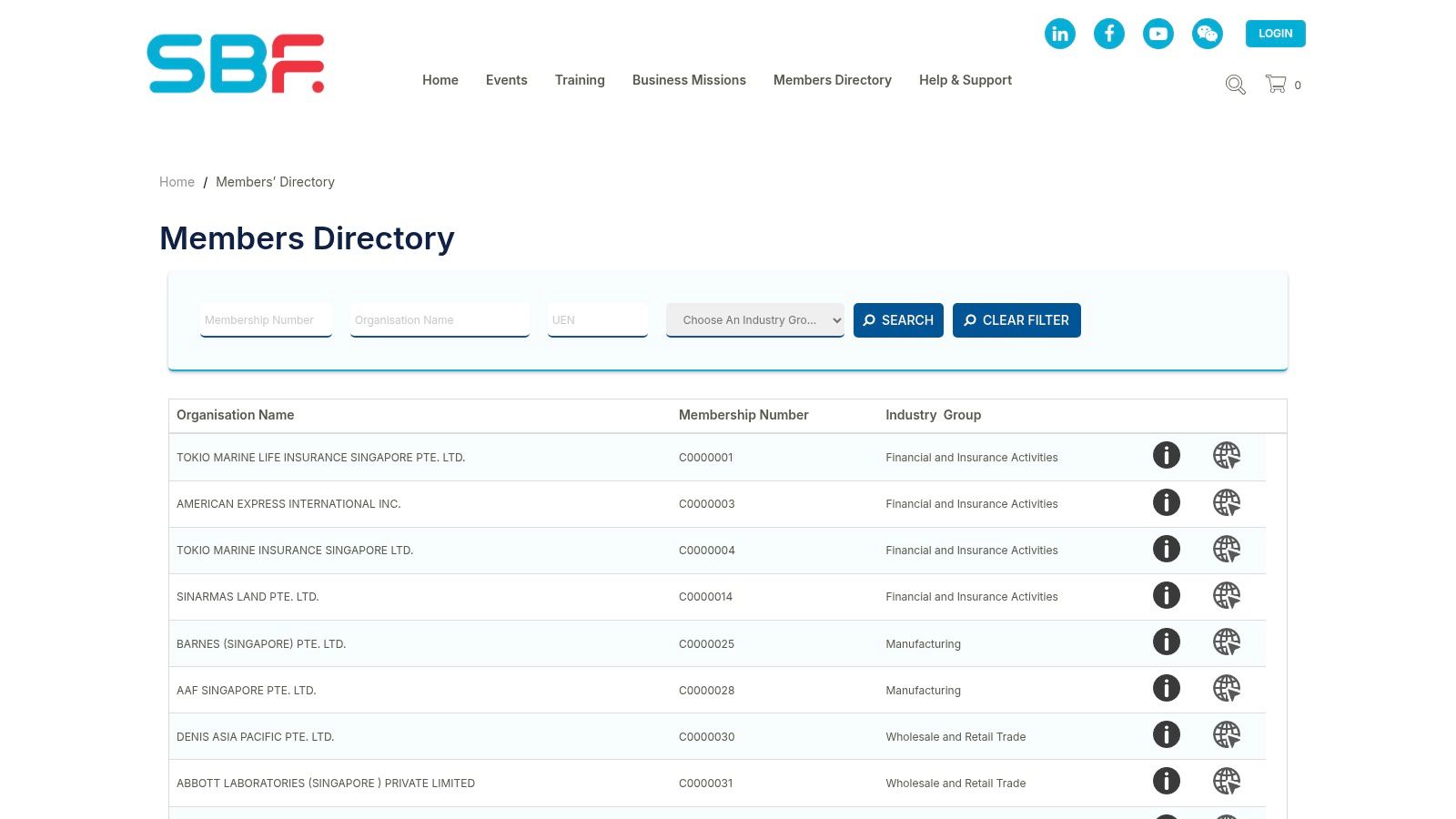
    • Digits 1-2 (The Chapter): This is the broadest category. For apparel, you'll almost always be in one of two places: Chapter 61 for knitted or crocheted garments, or Chapter 62 for woven ones.
    • Digits 3-4 (The Heading): The next two digits get more specific, identifying the type of garment. For instance, within Chapter 61, the heading 09 points directly to "T-shirts, singlets and other vests."
    • Digits 5-6 (The Subheading): The last two digits of the international code add another layer of detail, usually about the material. A subheading of 10 under heading 6109 tells customs the garment is made "of cotton."

    So, when you put it all together, 6109.10 is the universally understood HS code for a classic, knitted cotton T-shirt.

    Let's look at this structure in a more visual way. The table below breaks down the code 6109.10 piece by piece, showing how it builds from a general category to a very specific product.

    Breaking Down an HS Code for a Cotton T-Shirt (6109.10)

    HS Code Digits Level of Classification Description
    61 Chapter Knitted or crocheted articles of apparel
    6109 Heading T-shirts, singlets and other vests, knitted
    6109.10 Subheading Of cotton

    As you can see, each set of numbers adds a crucial detail, creating a complete identity that customs officials anywhere in the world can instantly recognise.

    Why Some Codes Have More Than Six Digits

    While the first six digits are globally harmonised, many countries bolt on extra numbers for their own classification needs. These additional digits help them gather more granular trade data and apply country-specific duties or taxes.

    An HS code isn't just a number; it's a story. Each pair of digits adds a new chapter, revealing the garment's material, construction, and type, creating a complete product identity for customs authorities worldwide.

    Take Singapore, for example. The country uses 8-digit HS codes as part of the ASEAN Harmonised Tariff Nomenclature (AHTN), which helps standardise trade across the region. Singapore Customs requires these specific codes on all import and export documents. Submitting a knitted cotton T-shirt under the general 6109.10 isn’t enough; you need the full, country-specific code to avoid delays and fines. You can always find detailed code requirements from Singapore Customs on their official portal.

    The diagram below provides a great visual for this top-down flow, showing how the system moves from the vast world of global trade to a single, specific HS code for one garment.

    Diagram illustrating the Global Harmonized System (HS) for clothing classification in global trade and fashion industry.

    This layered approach is designed to be logical and predictable. Once you grasp how it works, you’re well on your way to mastering customs classification for apparel.

    Key Rules for Classifying Apparel

    Classifying clothing isn't as simple as just finding a garment's name on a list. It’s rarely that straightforward. What happens when a fleece-lined hoodie could be a sweater or a jacket? How do you classify a two-piece suit that's sold as a single unit?

    This is exactly where the General Interpretative Rules (GIRs) come in. Think of them as the official instruction manual for the entire Harmonised System, giving you a clear, step-by-step logic to follow for even the trickiest classifications.

    Flat lay of various clothing items including a beige sweater, green jacket, and blue blazer, with 'CLASSIFICATION RULES' sign.

    While there are six rules in total, a couple of them are absolutely critical for anyone dealing with the hs code for clothes. Getting a firm grip on these principles is the key to preventing costly errors that can lead to shipment delays, customs audits, and unexpected duties. It's no surprise that textile and apparel products consistently rank among the top categories for classification disputes worldwide.

    The Foundation: Rule 1

    The first and most important rule is GIR 1. It dictates that classification must be determined, first and foremost, by the actual words used in the headings and any related Section or Chapter Notes.

    This means you can't just classify an item based on what it looks like or its common name. You have to go by the official text in the HS tariff schedule. The legal notes are not just suggestions; they provide specific definitions, inclusions, and exclusions that are just as binding as the heading descriptions themselves.

    For instance, a legal note in Chapter 61 might give a very precise definition of what qualifies as a "sweater," which could easily override a more casual, everyday interpretation. Always, always start here. This single rule resolves the vast majority of classification questions you'll ever face.

    Classifying Complex and Mixed Goods

    Now, things get a bit more interesting when you get to GIR 3. This rule is your guide for products that are harder to classify because they are made of multiple materials or are sold together as sets. It's broken down into three sub-rules that you have to apply in order.

    • Rule 3(a) – The Most Specific Description: This is about precision. The rule prioritises the heading that provides the most specific description of the item over a more general one.
    • Rule 3(b) – Essential Character: This is a big one for apparel. If you have a composite good (like a jacket with a removable liner) or a set (like a shirt and tie sold in a gift box), you classify it based on the material or component that gives the item its essential character. For a raincoat with a thin fleece liner, the water-resistant outer shell is what makes it a raincoat—that's its essential character.
    • Rule 3(c) – Last in Numerical Order: If you've tried the other rules and are still stuck, this one is the final tie-breaker. You simply classify the product under the heading that appears last in numerical order among those that could equally apply.

    Think of the GIRs as a decision-making flowchart. Rule 1 is your first stop. If that doesn't give you a clear answer, you move on to Rule 2, then Rule 3, and so on. You follow the path until you land on the single, correct classification.

    Mastering these rules isn't just about ticking a compliance box; it's about adding real value. When you can confidently navigate these complex classifications, you can give expert advice to your clients and cement your reputation as a reliable logistics partner. If you want to dive deeper into material-specific codes, our guide on the fabric HS code is a great next step.

    Common HS Codes for Different Garments

    Alright, we’ve covered the ground rules. Now, let's get practical. For anyone in freight forwarding, knowing the most common HS codes off the top of your head is a massive time-saver. The first—and most important—question you need to ask is about the fabric's construction.

    The Harmonized System splits all clothing into two main camps:

    • Chapter 61 is your go-to for anything knitted or crocheted. These fabrics are made with a single yarn looped together, which gives them that familiar stretch. Think of t-shirts, sweaters, leggings, and most activewear.
    • Chapter 62 is for garments made from woven fabrics. Here, multiple yarns are interlaced at right angles, creating a more rigid and structured material. This is where you’ll find classic dress shirts, blazers, denim jeans, and tailored trousers.

    Confusing a knitted garment for a woven one (or the other way around) is probably the single most common mistake in apparel classification. It's a simple error that can cause incorrect duty calculations and frustrating shipment delays, so getting this first step right is absolutely critical.

    Folded men's clothing items, including shirts, t-shirts, and jeans, with hang tags on a wooden table. A banner reads 'COMMON HS CODES'.

    Quick Reference for Key Garment Types

    To help you move faster, it pays to memorise the primary headings for popular clothing items.

    I’ve put together a simple table to give you a quick starting point. It shows where common garments land within Chapter 61 (knitted) and Chapter 62 (woven). Just remember, this is only the four-digit heading—you'll still need to add more digits to specify details like material and gender.

    Quick Reference HS Code Table for Common Apparel

    Garment Type Knitted (Chapter 61) Woven (Chapter 62)
    T-Shirts & Vests 6109 N/A
    Sweaters & Pullovers 6110 N/A
    Shirts & Blouses 6105 (Men's) / 6106 (Women's) 6205 (Men's) / 6206 (Women's)
    Trousers & Shorts 6103 (Men's) / 6104 (Women's) 6203 (Men's) / 6204 (Women's)
    Jackets & Blazers 6103 (Men's) / 6104 (Women's) 6203 (Men's) / 6204 (Women's)
    Coats & Parkas 6101 (Men's) / 6102 (Women's) 6201 (Men's) / 6202 (Women's)

    This table makes it easy to see the clear split between the two chapters for nearly identical items. A polo shirt (knitted) and a dress shirt (woven) serve similar purposes but live in completely different customs worlds.

    Drilling Down with Subheadings

    Once you’ve locked in the correct four-digit heading, the next two digits—the subheading—add that crucial layer of detail, usually defining the main textile fibre. This is where the HS code for clothes really starts to paint a specific picture for customs authorities.

    Let's walk through a few real-world examples to see how this works:

    • Men’s Cotton Dress Shirt: It's a woven garment (so, Chapter 62) and it's a shirt (Heading 6205). Since it’s made of cotton, it falls squarely under subheading 6205.20.
    • Women’s Synthetic Fibre Trousers: These are woven (Chapter 62), and they're trousers for women (Heading 6204). If the material is a synthetic fibre like polyester, the code becomes 6204.63.
    • Men's Cotton Polo Shirt: This time, we're looking at a knitted item (Chapter 61). It's a shirt for men (Heading 6105), and since it's made of cotton, its code is 6105.10.

    Accurate classification isn't just a box-ticking exercise; it's a financial necessity. With duty rates on apparel ranging from 0% to over 32%, choosing the correct subheading based on material can massively change the final landed cost for your client.

    These examples show how the six-digit code builds a clear, universal description of the product. When you get comfortable with these common classifications, you can advise your clients with confidence and prepare paperwork that sails right through customs.

    How to Avoid Costly Classification Mistakes

    A single wrong digit in an HS code can set off a domino effect of expensive problems. Think customs holds, surprise tariffs, and some seriously unhappy clients. Getting the classification right isn't just a technicality; it’s the bedrock of dependable logistics.

    The fallout from getting it wrong is real. Compliance data shows that a staggering 30% of all apparel imports have classification errors, often leading to painful audits and penalties. And we're not talking about a slap on the wrist—misclassifying garments can result in fines up to the full value of the merchandise.

    This section is all about steering clear of the most common traps in apparel classification. Knowing where others trip up is the best way to build a rock-solid verification process for every shipment you handle.

    Common Pitfalls in Apparel Classification

    When it comes to the hs code for clothes, a few mistakes seem to pop up time and time again. Keeping a lookout for these specific issues can save you a world of headaches and a lot of money down the line.

    • Knit vs. Woven Confusion: This is, without a doubt, the number one error. A simple knitted t-shirt falls under Chapter 61, but a woven dress shirt belongs in Chapter 62. The duty rates can be worlds apart, so confirming the fabric's construction is an absolute must.
    • Misidentifying the Main Fibre: With blended fabrics, the garment gets classified based on whichever material makes up the most weight. A 60% cotton / 40% polyester blend is treated as cotton, which carries a different HS code and duty rate than a predominantly polyester garment.
    • Ignoring Accessories and Sets: What happens when trousers come with a belt? This is where General Interpretative Rule 3(b) usually comes into play. The whole set is typically classified under the HS code of the main garment—the piece that gives the set its "essential character."
    • Overlooking Children's Clothing Rules: Clothes for kids often have their own dedicated headings and subheadings. It's a classic and easily avoidable mistake to classify a child's jacket using the code for an adult's.

    A proactive classification strategy is a massive value-add for your clients. When you spot potential risks before a shipment even gets booked, you’re not just a carrier; you're a detail-oriented, reliable partner they can trust.

    A Quick Verification Checklist

    Before you sign off on any customs paperwork, run through this quick mental checklist. It can help you catch mistakes before they become problems.

    1. Fabric Construction: Are you certain it's knitted (Chapter 61) or woven (Chapter 62)? Double-check if you're unsure.
    2. Main Material: For blends, have you confirmed which fibre has the highest percentage by weight?
    3. Garment Identity: Is the four-digit heading correct for what the item actually is? (e.g., 6109 for a t-shirt, 6203 for a men’s suit).
    4. End User: Is it for men, women, or children? Make sure the code reflects this.
    5. Composite Goods: If it’s a set, have you applied the "essential character" rule correctly?

    Making these checks a habit will help you sidestep the vast majority of classification errors. The result? Smoother sailing through customs and happier clients all around.

    Using HS Codes to Find New Shipper Leads

    For any smart freight forwarder, customs data is so much more than just a box-ticking exercise for compliance. It's a goldmine of qualified leads. When you properly understand the hs code for clothes, you can turn raw import and export data into a laser-focused list of potential clients who are already shipping the exact products you specialise in handling.

    This turns HS codes from a simple operational detail into a powerful tool for growing your business. Forget cold calling. You can use customs data platforms to find companies based on what they're actually doing, right now. It’s a complete game-changer for sales teams.

    Pinpointing Your Ideal Prospects

    Let's say you want to find new clients who import women's apparel. Instead of guessing, you can filter customs data to pull up every company importing goods under specific HS codes, like Chapter 61 (knitted) and Chapter 62 (woven) clothing, from a major hub like Vietnam into Singapore.

    This is what hyper-specific targeting looks like. You can see:

    • Who is shipping: The actual names of active importers.
    • What they are shipping: The precise types of clothing, all thanks to the HS codes.
    • How much they ship: The volume and frequency of their shipments give you a sense of their scale.
    • Their trade lanes: The exact origin and destination points of their cargo.

    For a closer look at these filtering techniques, our guide on using an HS code filter breaks down more advanced strategies.

    This screenshot shows how a platform can turn that raw data into a clean, actionable list of shippers you can start contacting today.

    Armed with this information, you can craft a pitch that’s incredibly relevant. You’re not just another forwarder; you're the one who understands their specific supply chain needs, referencing the trade lanes and cargo they already move.

    Using HS codes for lead generation means you stop guessing and start engaging with prospects based on their proven shipping behaviour. It’s the difference between casting a wide net and fishing with a laser-guided spear.

    Once you’ve identified these potential shippers, you need a solid system to keep track of them. Checking out a guide to the best CRM for lead generation will help you streamline your follow-ups and turn those new connections into loyal clients. This is how technical customs knowledge translates directly into business growth.

    Answering Your Top Questions About Clothing HS Codes

    Working with the Harmonized System for apparel can get tricky, especially with so many different types of clothing out there. Let's tackle some of the most common questions logistics pros run into when classifying clothes.

    What's the Real Difference Between Chapter 61 and Chapter 62?

    It all boils down to one thing: how the fabric is made.

    Chapter 61 is your go-to for anything made from knitted or crocheted fabric. Think of the interlocking loops in a t-shirt or a sweater—that natural stretchiness is the hallmark of a knit. So, t-shirts, jumpers, and leggings will almost always fall under this chapter.

    On the other hand, Chapter 62 covers garments made from woven fabric. This is where threads are interlaced over and under each other, like in a basket weave, creating a more structured material. This is the right chapter for your classic button-down shirts, blazers, trousers, and denim jeans. Getting the fabric type right is always the first, and most important, step.

    How Should I Classify a Full Suit or a Tracksuit Set?

    This is where things get interesting. For sets, we turn to a guideline called General Interpretative Rule 3(b), which is all about finding the "essential character" of the items. For something to be considered a set, its pieces need to be designed to be worn together, made from the same fabric, and sold together as a single retail item.

    When you have a qualifying set, you don't classify each piece separately. Instead, the entire set takes on the HS code of its most important component. For a men's suit, that's the jacket (falling under heading 6203). For a tracksuit, the whole outfit is classified under a single heading, 6112.

    The "essential character" rule is a lifesaver. It keeps you from having to find separate codes for every single piece in a matching pyjama set or a two-piece suit, making the whole customs process much simpler.

    Why Do Some HS Codes Have More Than Six Digits?

    That's a great question. The first six digits of an HS code are the universal standard, agreed upon globally through the World Customs Organization (WCO). Think of it as an international language for trade.

    But individual countries or trading blocs, like ASEAN, often tack on extra digits to get more specific. For example, Singapore and its neighbours use an 8-digit system known as the ASEAN Harmonised Tariff Nomenclature (AHTN). These extra digits aren't optional; they're required for customs declarations in that region and help authorities collect more detailed trade stats and apply very specific duties.


    Stop wasting time on dead-end leads. With Coreties, you can transform customs data into a powerful list of qualified shippers who need your services right now. Find your next client and craft the perfect outreach in minutes, not days. Discover qualified shipper leads with Coreties today.

  • Laptop HS Code Guide: Classify Laptops for Smooth Customs

    Laptop HS Code Guide: Classify Laptops for Smooth Customs

    When you're shipping laptops, one number is more important than almost any other: HS code 8471.30. This is the six-digit code that customs agencies around the world use to identify portable computers, making it the universal starting point for any laptop shipment.

    What Is the HS Code for Laptops

    Think of the Harmonized System (HS) as an international language for trade. It’s like a postal code for products, telling customs exactly what’s inside a box without them having to open it. Just like a wrong address can send a package to the wrong city, the wrong HS code can send your shipment into a black hole of customs delays and fines.

    Getting the laptop HS code wrong can set off a domino effect of expensive problems. Your shipment could get flagged for a physical inspection, racking up storage and demurrage fees while it sits at the port. Worse, customs might slap you with a penalty for a misdeclaration, which hurts your bottom line and damages your reputation with both the authorities and your client. In the world of logistics, where timing is everything, these kinds of mistakes can quickly turn a profitable shipment into a costly headache.

    Why This Code Matters in Singapore

    For anyone in logistics working in or out of Southeast Asia, knowing your way around laptop HS codes is a real competitive edge. Singapore isn't just a major port; it's a global nerve centre for electronics, acting as a critical hub for both importing and re-exporting high-tech goods.

    The numbers speak for themselves. In 2022, information and communication technology (ICT) goods—a category that includes laptops under HS code 8471—made up a massive 31.12% of Singapore’s total goods imports.

    This incredible volume means Singapore Customs is extremely thorough when it comes to classification. As a freight forwarder, proving you have this expertise means you can offer a smoother, faster, and more reliable service.

    This knowledge isn't just about avoiding problems, either. Understanding key trade data like this helps you spot high-volume shippers and market trends, turning customs compliance into a powerful tool for growing your business. You can dive deeper into these figures with the World Bank data on Singapore's ICT imports.

    Decoding the Numbers in HS Code 8471.30

    Think of a laptop's HS code less like a random number and more like a postal address for your goods. Each pair of digits narrows down the location, telling customs officials exactly what’s inside the box. Getting this "address" right is fundamental for smooth clearance.

    The journey starts at the broadest level with the first two digits, the Chapter. For any laptop, this is Chapter 84: Nuclear reactors, boilers, machinery and mechanical appliances; parts thereof. It’s a huge category, but it immediately tells customs we’re dealing with a machine, not a t-shirt or a piece of fruit.

    Next, we zoom in with the following two digits, the Heading. The code 71 specifies Automatic data-processing machines and units thereof. This is a critical step that separates laptops and computers from all the other machinery in Chapter 84, like industrial pumps or engines. Just stopping at the four-digit code 8471 is a surprisingly common mistake, but it leaves the declaration far too vague for customs.

    Pinpointing the Product with Subheading 30

    The final two digits are where we get to the point. The Subheading 30 nails the classification down to a Portable automatic data-processing machine, weighing not more than 10 kg, consisting of at least a central processing unit, a keyboard and a display. This is the minimum level of detail that customs authorities, particularly in diligent hubs like Singapore, demand.

    This visual shows exactly how the classification system funnels from a massive global category right down to a specific product.

    HS Code classification hierarchy explaining the breakdown from world level to specific product subheadings.

    As you can see, the code logically progresses from the general (Machinery) to the highly specific (Portable Computer), with each number adding vital information.

    To really see how it all fits together, let’s lay it out in a table.

    Breaking Down the Laptop HS Code 8471.30

    This table shows the clear, hierarchical structure of the Harmonized System code for portable computers. Each segment builds upon the last, providing an increasingly precise product definition.

    Code Segment Designation Description
    84 Chapter Machinery and mechanical appliances
    71 Heading Automatic data-processing machines
    30 Subheading Portable, weighing not more than 10 kg

    Grasping this simple structure is your best defence against shipment rejections. It ensures your duty and tax calculations are spot-on from the very beginning, preventing costly delays and rework down the line.

    Classifying Laptop Accessories, Batteries, and Parts

    A laptop rarely travels alone. It’s almost always boxed up with a power adapter, maybe a mouse, and sometimes a spare battery. This creates one of the most common puzzles in customs classification: are you shipping one product, or several? Getting this wrong is a surefire way to cause delays and rack up penalties.

    The secret lies in figuring out if the items qualify as a "set" in the eyes of customs. If all the accessories are packaged and sold together with the laptop in a single retail box, you can usually classify the whole lot under the laptop's primary HS code, 8471.30. But if you’re shipping them separately—as spare parts or standalone items—each one needs its own specific HS code.

    A flat lay image displaying laptop, mouse, power adapter, and 'ACCESSORIES AND PARTS' box.

    Common Accessory HS Codes

    When accessories and parts have to be declared on their own, you need to know their individual codes. Each component has a specific HS code based on what it does.

    Here are some of the most frequent codes you'll run into:

    • Lithium-Ion Batteries: You’ll almost always find these under HS code 8507.60. Given their hazardous nature, batteries get a lot of attention from customs officials.
    • Power Adapters (AC/DC Converters): These belong under HS code 8504.40.
    • External Mice or Keyboards: As input devices, these are typically classified under 8471.60.
    • Carrying Cases: This one is tricky. A textile bag might fall under Chapter 42, but if it's specifically shaped and fitted for the laptop, it might be classified along with the computer.

    A good rule of thumb is this: if an accessory has its own job to do and could easily be sold and used on its own, it probably needs its own HS code. Don't take the risky shortcut of lumping everything under one code.

    Beyond just the codes, making sure these items are physically secure is vital. Using strong tamper-evident packaging helps protect these valuable goods from theft or damage while they're on the move. And since you're dealing with electronics, you might find yourself shipping internal components, too. If that's the case, our guide on the PCB board HS code can be a huge help.

    Declaring every item correctly from the start stops customs from reclassifying your goods and hitting you with unexpected duties, making sure your shipment gets where it's going without a hitch.

    Common HS Code Mistakes to Avoid

    When it comes to customs, precision is everything. A tiny error in a laptop's HS code can snowball into a massive headache, but it's rarely a simple typo that causes the biggest problems. The most expensive mistakes usually come from a subtle misunderstanding of the product itself.

    These aren't just clerical slip-ups. They're misinterpretations that can trigger incorrect duty payments, shipment seizures, and seriously strain your relationships with clients. Knowing where the common traps lie is the first step to building a classification process that's not just accurate, but bulletproof.

    Misclassifying Hybrid and Speciality Laptops

    One of the most common pitfalls is getting hybrid devices wrong. Take a 2-in-1 laptop with a detachable keyboard. It's easy to see why someone might classify it as a tablet under HS code 8471.41, which could have entirely different duty rates. The deciding factor is its main purpose. If it's designed and sold primarily as a portable computer, 8471.30 is almost always the right call.

    A good rule of thumb from customs is to classify a product based on its principal function. If that 2-in-1 device relies on its keyboard for its main jobs, it’s a laptop.

    A few other tricky scenarios pop up all the time:

    • Refurbished vs. New Units: You can't just declare a refurbished laptop as "new." While the HS code itself might be the same, the customs valuation will be different, which directly affects the duties and taxes owed.
    • Pre-loaded Enterprise Software: A laptop shipping with expensive, specialised software needs a second look. The value of that software can drastically change the item's total declared value. In some countries, it might even influence the classification itself.

    Getting these details wrong doesn't just mean delays. It chips away at your reputation for being a careful, compliant forwarder—and in logistics, that reputation is everything.

    Using HS Code Data to Find New Clients

    A laptop's HS code is far more than just a number for getting through customs. For a sharp freight forwarder or carrier, it's the key to unlocking a goldmine of business intelligence. This simple code can transform a routine compliance task into a powerful engine for growth.

    Think about it. By using global trade data platforms, you can filter shipments by HS code 8471.30. This instantly shows you who is importing laptops, where they're coming from, and in what quantities. Your sales process shifts from hopeful guesswork to a precise, data-backed strategy.

    Instead of shooting in the dark with cold calls, your team can pinpoint a company importing thousands of laptops from China into Singapore every month. Armed with this knowledge, you can craft a pitch that’s immediately relevant, referencing the exact trade lanes they’re already active on.

    Pinpoint High-Value Opportunities

    Using HS code data means you can focus your energy where it counts. You’re no longer relying on stale contact lists or broad market research; you’re targeting companies based on their actual, current shipping activity.

    This data-first approach gives you a serious edge:

    • Identify Active Shippers: Find businesses that are moving large volumes of laptops right now.
    • Understand Their Trade Lanes: See the specific origin and destination countries they work with.
    • Estimate Potential Value: Get a solid idea of an account's size from their import history.

    The laptop trade under HS code 8471 is a massive part of Singapore’s economy, which means there's a huge amount of customs data available. In a benchmark year, computer imports reached a staggering $19.1 billion. The biggest flows came from Chinese Taipei ($6.46 billion), China ($3.86 billion), and Malaysia ($2.25 billion), giving you a clear map of where the biggest opportunities lie.

    When you analyse this data, you stop being just another service provider. You become a strategic partner who can start a conversation by showing you already understand a prospect's supply chain.

    This level of insight makes your outreach incredibly compelling. You're not just selling a service; you're offering a solution that fits right into their existing operations. You can learn more about how to apply these principles by exploring our guide on using an HS Code filter for lead generation. It’s all about turning a simple customs code into your most effective tool for finding new business.

    A Step-by-Step Guide to Verifying Laptop HS Codes

    When it comes to customs classification, guesswork is a recipe for disaster. Confidence comes from a solid, repeatable process. Think of a verification checklist as your best defence against the expensive delays and penalties that a wrong HS code can trigger.

    Let's walk through a straightforward framework to get it right every time.

    First things first, you need to gather detailed product specifications. "Laptop" is far too vague for customs. You need the nitty-gritty details that officials use to classify the goods.

    This means getting specific about:

    • Screen Size: Are we talking about a standard 13-inch notebook or a hefty 17-inch mobile workstation?
    • Weight: This is crucial. The subheading 8471.30 specifically covers machines weighing no more than 10 kg.
    • Included Accessories: Make a list of everything in the box. Power adapters, detachable keyboards, a mouse—document it all.
    • Primary Function: Is it a classic laptop, or a more complex hybrid 2-in-1 device?

    A person's hand with a pen over a laptop, next to a tablet displaying a verification checklist.

    Consulting Official Sources

    Once you have your product’s profile, it’s time to check it against official tariff databases. Never, ever rely solely on a shipper's declaration or a random code you found online. Always go straight to the source.

    For any shipment touching Singapore, your go-to resource should be the official Singapore Customs HS Code lookup tool. It’s the only way to get the most current and accurate information for the region. For a broader, international perspective, the World Customs Organization (WCO) Trade Tools is an invaluable resource.

    Verifying a laptop HS code isn’t just about looking up a number; it’s about building a case. You're documenting your product's specific features and meticulously aligning them with official tariff descriptions. This creates a clear, defensible classification that can stand up to scrutiny.

    Now, what about those tricky cases? If you're dealing with something highly specialised like a ruggedised industrial laptop or a medical-grade portable computer, the risk of getting it wrong goes way up.

    In these complex situations, the safest move is to seek a Binding Tariff Information (BTI) ruling from the relevant customs authority. A BTI gives you a legally binding classification for your specific product, providing total certainty and heading off any potential disputes before they start.

    Answering Your Top Laptop Classification Questions

    Even with a solid process, some scenarios just aren't straightforward. Let's tackle a few of the most common head-scratchers that trip up freight forwarders and shippers when classifying laptops.

    What if the Laptop Has a High-End Graphics Card?

    A beast of a GPU doesn't change the fundamental nature of the product. The laptop's main job is still to be a portable computer, so it almost always stays under the HS code 8471.30.

    The real impact of a powerful graphics card is on the laptop's value. You must declare this higher value accurately on the customs forms to ensure you’re paying the correct duties and taxes.

    Do Refurbished Laptops Use a Different HS Code?

    Nope, a refurbished laptop still falls under HS code 8471.30. The HS code itself doesn't change, but the customs valuation absolutely does.

    It's crucial to declare that the unit is refurbished and report its lower market value. Listing a refurbished machine at the price of a brand-new one is a classic compliance mistake that will have you overpaying on duties.

    Here's a simple way to think about it: the HS code tells customs what the product is, while the customs value tells them what it's worth. Both have to be spot-on.

    Getting this right is especially important in major electronics hubs like Singapore. With the boom in remote work, the demand for portable computers has exploded, and so has customs scrutiny. To give you an idea of the scale, total imports for Singapore's computer and electronics sector hit a staggering $120.822 billion USD by December 2020. That's a massive volume of laptops for customs authorities to keep an eye on. You can find more on Singapore's trade statistics from CEIC.

    How Are Laptops Shipped for Repair Classified?

    When a laptop is brought into a country just for a tune-up and not for sale, you can often use special customs procedures. Regimes like Inward Processing Relief (IPR) might let you suspend duties and taxes for the temporary import.

    The key is meticulous paperwork. You have to prove the laptop isn't being sold and will be shipped back out (re-exported) once the repair work is done.


    Ready to stop guessing and start targeting the right shippers? Coreties transforms customs data into your most powerful sales tool. Find high-volume importers, identify their trade lanes, and connect with decision-makers in just a few clicks. Discover qualified leads and grow your business today.

  • Top Guide: How to Find importers in singapore and Grow Your Business

    Top Guide: How to Find importers in singapore and Grow Your Business

    Singapore's position as a global trade nexus makes it a critical market for logistics providers, carriers, and international businesses. Yet, identifying and qualifying the right partners within this competitive landscape can be a significant challenge. The sheer volume of trade activity means that generic lists of importers in Singapore often lead to wasted time and resources on unqualified leads. A data-driven, targeted approach is essential to cut through the noise and connect with companies whose shipping needs align with your services.

    This guide moves beyond basic directories to provide a strategic roadmap for finding and engaging high-value importers. We have curated a list of the most effective platforms and resources, from official government registries like ACRA BizFile+ to specialised trade intelligence tools such as Panjiva and ImportGenius. Each entry is designed for action, offering a clear snapshot of its strengths, verifiable contact signals, and practical criteria for prioritising your sales outreach.

    You will learn not just where to find potential partners, but how to convert these lists into concrete business opportunities. We will provide actionable workflows, sample outreach templates, and strategies for leveraging customs data to build a robust prospecting pipeline. This comprehensive resource is built to help your logistics sales and business development teams effectively penetrate the Singaporean market, optimising your efforts and maximising your return on investment. Let's explore the tools that will connect you with your next key client.

    1. ACRA BizFile+ (Official Singapore Companies Registry)

    While not a conventional "importers list" platform, ACRA’s BizFile+ is the foundational starting point for any serious prospecting effort targeting importers in Singapore. It serves as the official government registry for all business entities, making it the most authoritative source for verifying a company’s existence, legal status, and core operational details. Think of it as the bedrock of your due diligence process.

    The platform’s primary function is to provide access to official Business Profiles. For a nominal fee of S$5.50, you can instantly purchase a PDF document containing legally verified information. This isn't just a directory listing; it's a government-certified record that confirms a company is active and compliant. This is crucial for building a high-quality, reliable prospecting list and avoiding inactive or shell companies.

    How to Use BizFile+ for Prospecting

    BizFile+ is most effective when used strategically to build a custom list from the ground up. The key is leveraging the Singapore Standard Industrial Classification (SSIC) codes, which detail a company's principal activities.

    • Identify Relevant SSIC Codes: Start by identifying SSIC codes related to wholesale trade, distribution, and specific commodity imports. For example, code 46900 ("General wholesale trade (including general importers and exporters)") is a broad starting point. More specific codes, like 46311 ("Wholesale of fresh fruits and vegetables"), allow for highly targeted searches.
    • Search and Filter: Use the free entity search to look for companies. While you can't filter directly by SSIC code in the free search, you can search by keywords (e.g., "trading," "imports") and then purchase profiles of promising companies to verify their primary SSIC.
    • Extract Key Data: Once you purchase a profile, you gain access to critical data points for your CRM:
      • Company Name & UEN: The official registered name and Unique Entity Number.
      • Registered Address: Essential for verifying physical presence and for direct mail campaigns.
      • Principal Activities (SSIC): Confirms if their primary business is relevant to importing.
      • Director/Shareholder Information: Identifies key decision-makers for targeted outreach.
      • Paid-up Capital: Provides a signal of the company's size and operational capacity.

    Key Insight: Building your list from BizFile+ ensures 100% data accuracy from the source. This reduces bounce rates and time wasted on defunct leads, giving you a significant advantage over those using outdated, third-party directories.

    Platform Snapshot

    Feature Details
    Primary Use Case Verifying company legitimacy and building a foundational prospecting list.
    Key Data Points Registered Address, SSIC Code, Officers, UEN, Paid-up Capital.
    Pricing S$5.50 per Business Profile purchase.
    Pros Official government data; low cost; instant delivery of profiles.
    Cons Requires manual list building; no built-in CRM or outreach tools.
    Best For Sales teams prioritising data accuracy and compliance from the start.

    While BizFile+ requires more manual effort, the quality of the data is unparalleled. It’s the essential first step before layering on trade data or other signals. For those new to the intricacies of this market, understanding the foundational steps of setting up an import and export business can provide valuable context for your outreach.

    Website: https://www.bizfile.gov.sg

    2. SFA (Singapore Food Agency) Resources and Registers

    For businesses targeting the highly regulated food and beverage sector, the Singapore Food Agency (SFA) website is the authoritative source for identifying and qualifying legitimate importers in Singapore. While it’s not a straightforward directory, it functions as a crucial compliance and validation gateway. Using SFA’s resources allows you to understand the specific licensing and registration requirements for different food categories, ensuring you target companies that are legally permitted to import.

    This platform is indispensable for validating prospects in the food supply chain. It details the mandatory licences, registrations, and permits required for traders. By understanding these regulatory frameworks, you can filter your prospecting list to include only compliant, active importers, thereby increasing the quality of your leads and ensuring your outreach is relevant to their specific operational needs.

    SFA (Singapore Food Agency) resources and registers

    How to Use SFA Resources for Prospecting

    The SFA website is best used as a vertical-specific qualification tool after you have an initial list of potential companies (perhaps from BizFile+). It helps you segment and prioritise importers based on the products they are legally authorised to handle.

    • Understand Licensing Requirements: Navigate to the "Food Import & Export" section to understand the difference between a "Licence to Import/Transship" for specific products (like fresh meat) and a simple "Registration" for traders of processed foods. This knowledge helps you tailor your sales pitch.
    • Target by Product Category: Use the SFA's detailed guidance for specific categories like "Processed Food," "Meat & Fish Products," or "Fresh Fruits & Vegetables." This allows you to identify the compliance hurdles importers in these niches face, giving you valuable talking points.
    • Validate Potential Leads: If a company claims to import a specific food product, you can use the SFA guidelines to understand the licence they must hold. While you cannot search a public database of licensees, knowing the requirements allows you to ask more intelligent qualifying questions during outreach.

    Key Insight: Approaching a food importer with an understanding of their specific SFA licensing obligations (e.g., "I see you handle processed foods, which requires trader registration…") demonstrates industry expertise and builds immediate credibility, setting you apart from generic sales pitches.

    Platform Snapshot

    Feature Details
    Primary Use Case Qualifying and validating food importers based on regulatory compliance.
    Key Data Points Licensing requirements by food category, import procedures, fee structures.
    Pricing Free to access all informational resources.
    Pros Authoritative government source; helps in vertical-specific targeting; provides crucial compliance context.
    Cons No direct, searchable database of importers; serves as a resource hub, not a lead list.
    Best For Logistics providers and sales teams specialising in the food and beverage industry.

    Using the SFA's resources is a strategic move that shifts your prospecting from a numbers game to a targeted, value-driven approach. It equips you with the necessary regulatory knowledge to engage Singaporean food importers on a deeper, more professional level.

    Website: https://www.sfa.gov.sg/food-import-export/licensing-registration-of-traders

    3. HSA Infosearch (Health Sciences Authority)

    For businesses targeting niche, high-value verticals, HSA Infosearch is an indispensable and specialised resource. It serves as the official public register for all companies licensed by the Health Sciences Authority to import, wholesale, or manufacture health products in Singapore. This platform is the definitive source for identifying legitimate players in the tightly regulated pharmaceutical, medical device, and active ingredient sectors.

    HSA Infosearch (Health Sciences Authority)

    Unlike broad business directories, HSA Infosearch provides a pre-qualified list of importers in Singapore operating within a compliance-heavy industry. The platform allows you to search its "Register of Dealers' Licences" to verify a company's authority to handle specific health products. This is critical not only for prospecting but also for ensuring your own compliance when dealing with partners in this space.

    How to Use HSA Infosearch for Prospecting

    HSA Infosearch is a powerful tool for building a highly targeted list of importers in the healthcare and life sciences industries. It moves beyond generic company data to provide industry-specific licensing information.

    • Search the Dealer's Licence Register: The core feature is the database of licensed importers, wholesalers, and manufacturers. You can search by company name or licence number to instantly validate a potential partner's credentials.
    • Filter by Activity Type: The registry clearly states the authorised activities for each company, such as "Import," "Wholesale," or "Manufacture." This allows you to filter your list to include only companies actively importing products.
    • Verify Product Categories: The licence details often specify the categories of products a company is permitted to handle (e.g., medical devices, therapeutic products, active pharmaceutical ingredients). This enables precise targeting based on your specific product or service.
    • Cross-Reference with Other Registers: Use the platform to access related registers, like the Singapore Medical Device Register, to understand the specific products a company is importing, providing valuable context for your outreach.

    Key Insight: Using HSA Infosearch gives you a direct list of active, licensed, and compliant importers in a lucrative sector. Outreach to these companies is more effective as it can be tailored to their specific, regulated operational needs and product portfolios.

    Platform Snapshot

    Feature Details
    Primary Use Case Identifying and verifying licensed importers of medical and health products.
    Key Data Points Company Name, Licence Number, Authorised Activities (Import/Wholesale).
    Pricing Free to access and search.
    Pros Official government data for a niche sector; free access; pre-qualifies leads.
    Cons Limited only to health and medical product importers; no financial or director data.
    Best For Logistics providers and sales teams specialising in pharmaceuticals and medical devices.

    This platform is essential for anyone needing to engage with the health sciences supply chain, as it provides the foundational compliance data required. Understanding the role of an Importer of Record is particularly crucial in this regulated field, where liability and compliance are paramount.

    Website: https://www.hsa.gov.sg/e-services/infosearch

    4. Kompass Singapore – Importers list

    Kompass is a longstanding B2B directory that provides a more direct, pre-filtered approach to finding importers in Singapore. Unlike foundational registries, its main advantage is speed and convenience, offering a ready-made list of companies that self-identify or are categorised as importers. This makes it an excellent tool for rapid market scanning and initial outreach campaigns.

    The platform functions as a sophisticated business directory, where companies are profiled with details on their activities, key personnel, and contact information. For sales teams looking to quickly build a call list or an email campaign, Kompass’s pre-sorted "Importers" section is a valuable shortcut. It bypasses the need to manually cross-reference SSIC codes, presenting a list of potential targets from the outset.

    How to Use Kompass for Prospecting

    Kompass is most effective for high-volume prospecting and initial lead qualification. Its structure is designed to help you quickly identify and connect with potential partners across various industries.

    • Utilise the Pre-filtered List: Navigate directly to the Singapore "Importer" category. This immediately gives you a list of hundreds of companies, which can then be further refined by industry, size, or other available filters.
    • Review Company Profiles: Click into individual profiles to access key information. Profiles often include a business description, product/service keywords, phone numbers, and sometimes, names of key contacts. This helps you prioritise companies that align with your services.
    • Purchase Targeted Lists: For more serious outbound efforts, Kompass offers the option to purchase customised and detailed prospecting lists. These paid lists often contain more direct contact information, such as email addresses, saving significant research time.
    • Automate Data Extraction: For direct access to importer data from sources like Kompass, you can learn how to scrape leads directories without any code. This allows your team to efficiently pull public-facing information into a structured format for your CRM or sales pipeline.

    Key Insight: Kompass excels at providing breadth and speed. While the data may require verification against an official source like ACRA, it's an unparalleled tool for quickly mapping out the market and building a large initial pool of potential importer leads.

    Platform Snapshot

    Feature Details
    Primary Use Case Rapidly discovering and building lists of potential importers for outreach.
    Key Data Points Company Activities, Phone Numbers, Contact Forms, Key Personnel (paid).
    Pricing Free for basic search and viewing; paid plans for advanced data and list exports.
    Pros Fast discovery with pre-filtered lists; good breadth across many industries.
    Cons Data depth and recency can vary; most valuable data requires paid access.
    Best For Sales teams needing to build a large volume of leads for cold calling and email campaigns.

    Kompass serves as an excellent mid-funnel tool. It helps you move from the broad, verified data of ACRA to a more targeted list of companies actively engaged in importing, priming them for your initial sales outreach.

    Website: https://sg.kompass.com/y/importer/

    5. Panjiva (S&P Global) – Trade Intelligence

    Where official registries like ACRA confirm a company's existence, platforms like Panjiva reveal their real-world activities. Owned by S&P Global, Panjiva is an enterprise-grade trade intelligence tool that aggregates global customs and shipping data. It moves beyond static company profiles to show you the dynamic flow of goods, making it invaluable for identifying and prioritising active importers in Singapore based on their actual shipment history.

    Panjiva (S&P Global) – Trade intelligence

    Panjiva allows you to see company-level import and export connections. For sales teams, this means you can uncover who is importing specific products, from which countries, and in what volumes. This granular data helps you tailor your outreach with highly relevant information, referencing a prospect's known supply chain needs rather than sending a generic sales pitch.

    How to Use Panjiva for Prospecting

    Panjiva is designed for deep-dive analysis to find high-value leads that competitors might miss. Its strength lies in its ability to filter and search through vast amounts of trade data to find specific, actionable opportunities.

    • Identify Active Importers by Commodity: Use the platform to search for specific products being shipped into Singapore. The key is to use accurate product descriptions or, even better, Harmonised System (HS) codes. This instantly generates a list of companies that are verifiably active in your target market.
    • Analyse Trade Relationships: Once you find a potential importer, you can explore their profile to see their key suppliers, trading partners, and the frequency of their shipments. This insight helps you understand their procurement patterns and identify potential pain points or opportunities for your services.
    • Prioritise by Volume and Frequency: Not all importers are created equal. Panjiva's data allows you to rank potential leads based on their shipment volume or frequency, ensuring your sales team focuses its efforts on the most lucrative and consistent prospects.

    Key Insight: Panjiva gives you a competitive edge by revealing a company's actual trading behaviour. You can approach a prospect not just knowing that they import, but knowing what they import, from whom, and how often, allowing for an incredibly informed initial conversation.

    Platform Snapshot

    Feature Details
    Primary Use Case Identifying and qualifying active importers through real shipment data.
    Key Data Points Bill of Lading Data, Supplier/Buyer Relationships, Shipment Volumes, Commodity Details.
    Pricing Enterprise subscription-based, with pricing available upon request. Limited free browsing.
    Pros Rich, actionable shipment data; strong brand credibility; excellent for market analysis.
    Cons High cost (enterprise pricing); requires a subscription for full access and data export.
    Best For Sales and business development teams needing data-driven lead prioritisation.

    While Panjiva is a premium tool, the depth of its data can significantly shorten sales cycles and increase conversion rates. To make the most of its commodity search features, a solid understanding of product classification is beneficial; for more context, you can learn about the role of the HS code in Singapore and how it structures global trade data.

    Website: https://panjiva.com

    6. ImportGenius – Global Trade Data Platform

    ImportGenius shifts the focus from company registration data to actual, verifiable shipment activity. This platform provides access to a massive database of global import/export records, allowing sales teams to see precisely which companies are moving goods, what they are shipping, and who their trading partners are. For those looking for active importers in Singapore, this is a powerful tool to uncover qualified leads based on real-world logistics behaviour.

    Rather than relying on static company profiles, ImportGenius gives you a dynamic view of a company's supply chain. You can identify Singapore-based companies by searching for shipments where Singapore is the port of destination or by analysing the trading partners of global suppliers. This approach validates a company's import activity and reveals valuable details like shipment frequency, volume, and product types.

    ImportGenius – Global trade data platform

    How to Use ImportGenius for Prospecting

    The platform is purpose-built for sales and logistics professionals to find and qualify leads based on trade data. It helps answer critical questions like "Who is importing this specific product into Singapore?" and "Which of my competitor's customers could I target?"

    • Search by Product or HS Code: The most direct method is to search for specific products or Harmonized System (HS) codes being shipped to Singaporean ports. This immediately generates a list of consignees (importers) involved in that trade.
    • Analyse Trade Lanes: You can research trade lanes to find companies importing from specific countries into Singapore. This is ideal for freight forwarders specialising in particular routes, such as China-to-Singapore or Europe-to-Singapore.
    • Monitor Competitor Activity: Track the shipment activities of known importers or even your competitors' clients. The platform's alert system can notify you of new shipments, providing timely opportunities for outreach.
    • Vet Potential Leads: Use the company profiler to view a company’s complete shipment history. This helps you gauge their import volume and consistency, allowing you to prioritise high-value prospects and tailor your sales pitch with specific insights about their supply chain.

    Key Insight: ImportGenius allows you to move beyond who might import to who is currently importing. Leading your outreach with specific knowledge of a prospect’s recent shipment activity ("I saw you just received a container of electronic components from Shenzhen…") dramatically increases credibility and engagement.

    Platform Snapshot

    Feature Details
    Primary Use Case Discovering active importers and exporters based on actual shipment records.
    Key Data Points Consignee/Shipper Names, Product Descriptions, HS Codes, Shipment Dates, Volume.
    Pricing Subscription-based; requires a demo and custom quote. Full features are behind the paywall.
    Pros Based on real trade data; actionable prospecting features; useful for competitor analysis.
    Cons High-value data comes with a premium price; no public pricing information.
    Best For Logistics sales teams, freight forwarders, and NVOCCs needing data-driven leads.

    ImportGenius provides the trade intelligence layer on top of foundational company data. It’s an essential tool for sales teams who want to build a highly targeted pipeline of importers in Singapore that are demonstrably active in the market.

    Website: https://www.importgenius.com

    7. SBF Members’ Directory (Singapore Business Federation)

    The Singapore Business Federation (SBF) is the apex business chamber, and its Members’ Directory is a high-trust resource for identifying established and active importers in Singapore. While not a customs data platform, it offers a curated list of tens of thousands of member companies, providing a powerful starting point for building relationships within a credible, Singapore-centric network. Think of it as a gateway to companies that are invested in the local business ecosystem.

    SBF Members’ Directory (Singapore Business Federation)

    This directory is less about raw trade data and more about corporate discovery and network-based prospecting. Inclusion in the SBF directory signals that a company is an active participant in the wider Singaporean business community. This can be a strong qualifying factor, especially when targeting larger, more established enterprises for high-value logistics contracts or strategic partnerships.

    How to Use the SBF Directory for Prospecting

    The SBF Directory is most effective for initial discovery and leveraging the chamber network for warmer outreach. Its value lies in the credibility of its members.

    • Industry-Based Discovery: Use the search function to filter by industry categories like "Wholesale Trade," "Logistics & Transportation," or specific manufacturing sectors that rely on imports. This allows you to quickly generate a list of potential targets within your ideal customer profile.
    • Qualify and Verify: Once you identify a promising company name, use it as a keyword to cross-reference on platforms like ACRA BizFile+ to confirm their SSIC code and official details. This two-step process combines the credibility of SBF membership with the legal accuracy of government records.
    • Leverage the Network: Note companies of interest and monitor SBF-hosted events, seminars, or trade missions. These events provide prime opportunities for warm introductions and face-to-face networking, turning a cold lead into a valuable connection.
    • Partnership Building: Beyond direct sales, the directory is a goldmine for finding potential partners, agents, or distributors in Singapore. Membership implies a certain level of stability and commitment to the local market.

    Key Insight: A lead sourced from the SBF Directory is more than just a name; it’s a pre-qualified entity active in the Singapore business community. This context is invaluable for crafting outreach that references shared industry affiliations, immediately setting you apart from generic cold calls.

    Platform Snapshot

    Feature Details
    Primary Use Case Discovering credible, established companies and enabling network-based outreach.
    Key Data Points Company Names, Industry Groupings, Basic Contact Information (varies).
    Pricing The public directory is free to search. Full membership benefits are separate.
    Pros High-trust, Singapore-specific pool of companies; excellent for warm introductions and partnership building.
    Cons Public data is limited and requires cross-verification; not a trade data tool.
    Best For Business development teams focusing on relationship-driven sales and targeting established enterprises.

    While the SBF Directory requires a more nuanced approach than a pure data platform, its ability to surface reputable importers in Singapore and provide avenues for warm engagement makes it a strategic tool for any serious sales team.

    Website: https://members.sbf.org.sg/membershipdirectory

    7-Source Comparison of Singapore Importer Resources

    Source Implementation complexity Resource requirements Expected outcomes Ideal use cases Key advantages
    ACRA BizFile+ (Official Singapore companies registry) Low — web search and PDF purchase; manual filtering Minimal monetary cost per profile (S$5.50); some manual effort to build lists Authoritative company records (UEN, address, officers, filing history) Legal due diligence, compliance verification, capturing legal identifiers Official, government-verified data; low cost and fast delivery
    SFA (Singapore Food Agency) resources and registers Low — guidance navigation and category lookup Time to interpret regulations; coordination with TradeNet/HS code tools Clear licence/registration requirements by food product category Qualifying food importers by product; regulatory compliance planning Authoritative regulatory guidance; product-specific compliance rules
    HSA Infosearch (Health Sciences Authority) Low — searchable public license register Small time investment; free access Lists of licensed importers/wholesalers/manufacturers for health products Compliance-sensitive outreach in pharmaceuticals, medical devices Direct, category-specific licensed importer lists; official verification
    Kompass Singapore – Importers list Low — directory search and filtering Free basic access; paid options for targeted lists Broad roster of importer profiles with contact details (varied depth) Rapid discovery and outbound prospecting across industries Pre-filtered importer listings and purchasable prospect lists
    Panjiva (S&P Global) – Trade intelligence Medium–High — platform onboarding and data analysis Subscription-based (enterprise pricing); analyst time to interpret trade data Trade-level insights: counterparties, shipment patterns, product flows Prioritizing active importers by product/volume; supply-chain research Rich shipment context and enterprise-grade analytics
    ImportGenius – Global trade data platform Medium–High — query design and data triage Paid subscription (quote/demo); time to set alerts and filters Historical shipment records, alerts, company trade profiles Logistics/freight sales, competitor monitoring, HS-code prospecting Actionable prospecting features and shipment alerting
    SBF Members’ Directory (Singapore Business Federation) Low — searchable member listings May require chamber access/membership for full features; outreach effort Credible pool of Singapore companies, industry groupings Partnership development, warm introductions, event-driven outreach High-trust, Singapore-centric network and chamber contacts

    From Lists to Leads: Activating Your Importer Prospecting Strategy

    Navigating the bustling trade landscape of Singapore requires more than just a list of names; it demands a strategic, data-driven approach to identify and engage high-potential partners. Throughout this guide, we have explored a diverse toolkit, moving from foundational government registries like ACRA BizFile+ and specialised databases from the SFA and HSA, to comprehensive global trade intelligence platforms such as Panjiva and ImportGenius. Each tool offers a unique lens through which to view the market of importers in Singapore, providing the raw material for a powerful sales pipeline.

    The key takeaway is that no single platform holds all the answers. A truly effective prospecting strategy layers data from multiple sources. You might start with the broad SBF Members’ Directory to understand the landscape, then use Panjiva to analyse the shipping volumes of a promising company, and finally cross-reference with ACRA to verify their operational status and corporate structure. This multi-pronged validation process is what transforms a generic list into a high-value, actionable prospecting database.

    Synthesising Data for Smarter Outreach

    The true power of these resources is unlocked when you synthesise their data to build a complete picture of your ideal prospect. An importer isn't just a name; it's a business with specific needs, established trade lanes, and measurable shipping volumes.

    • For High-Volume Targeting: If your business thrives on securing large, consistent accounts, platforms like Panjiva or ImportGenius are indispensable. Focus on importers with high shipment counts, frequent activity, and established relationships with your target trade lanes. Your outreach should reflect this knowledge, referencing their scale and offering solutions that address the complexities of high-volume logistics.
    • For Niche Specialisation: If you specialise in perishables, pharmaceuticals, or other regulated goods, the SFA and HSA databases are your starting point. These directories give you a pre-qualified list of companies operating within strict regulatory frameworks. Your outreach here should emphasise your expertise in compliance, cold chain logistics, or specialised handling procedures.
    • For Broader Market Entry: For those looking to build a wide-ranging pipeline, directories from Kompass and the Singapore Business Federation provide the necessary breadth. Segment these lists by industry or company size to create targeted campaigns. You can further enrich these initial lists by exploring some of the best B2B data providers to append detailed contact information and firmographic data, ensuring your message reaches the right decision-maker.

    Key Insight: The most successful sales teams don't just collect names; they build detailed client profiles. They understand an importer's shipping frequency, key trade partners, and product types before making the first call. This transforms a cold outreach into a relevant, value-driven conversation.

    Implementing Your Go-to-Market Strategy

    As you move from data collection to active outreach, remember the principles we discussed. Your first impression is critical. The sample outreach templates provided are designed to be adapted, not copied verbatim. Personalise each message with a specific data point you uncovered, whether it’s a recent shipment from a particular port or their known specialisation in a certain commodity. This demonstrates genuine research and immediately sets you apart from generic sales pitches.

    Ultimately, finding importers in Singapore is only the first step. The real work lies in converting that information into meaningful business relationships. By strategically combining the tools at your disposal, tailoring your communication, and consistently delivering value, you can turn this comprehensive directory into a dynamic engine for growth. The opportunity within Singapore's vibrant import sector is immense; with the right strategy and tools, you are now well-equipped to capture it.


    Ready to turn your meticulously researched lists of importers in Singapore into an automated, high-performing outreach campaign? Coreties integrates seamlessly with your data, allowing you to launch personalised, multi-channel prospecting sequences that engage decision-makers and book meetings at scale. Transform your prospecting efforts from manual research to measurable results by visiting Coreties today.